
EDITED APRIL 2026
Every so often, cybersecurity guidance from national agencies lands squarely on something organisations quietly struggle with. The NSA, GCHQ, CISA and their Five Eyes partners have published a body of advice on the risks of network edge devices. For anyone responsible for hybrid and distributed access, it reads like a description of a problem they already recognise.
The core message is simple. When you do not control the infrastructure someone connects from, you cannot assume it is secure. That is precisely the situation at the uncontrolled network edge: the homes, hotels, serviced offices and client sites where equipment you did not deploy carries sensitive data.
What “edge devices” really means
The NSA describes network edge devices as those that sit between external and internal networks, such as routers, gateways and VPN concentrators. Inside an enterprise, these are managed and maintained.
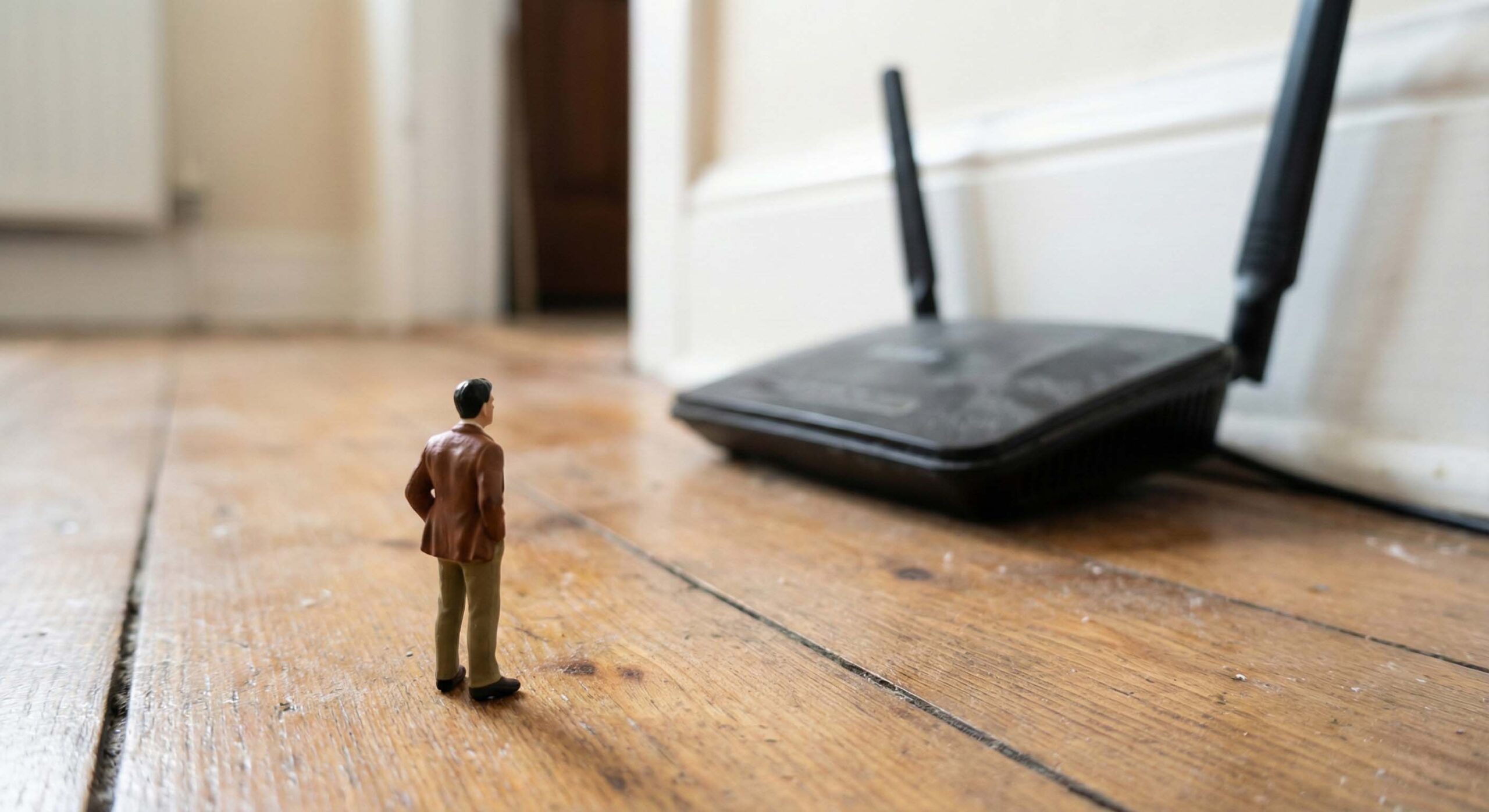
The risk arrives when the same class of device sits outside your control. A home router, a hotel access point or a co-working space’s Wi-Fi are all edge devices too. When corporate data flows through them, they become part of your security boundary whether you intended it or not. That is what we mean by the uncontrolled network edge.
What the guidance recommends
The agencies converge on a familiar set of controls for reducing risk at the edge:
- Use secure-by-design devices wherever possible.
- Replace or lock down default credentials and admin access.
- Apply firmware and software updates promptly, ideally automatically.
- Ensure devices boot from a known-good state.
- Manage device configuration centrally.
- Prevent lateral movement by isolating connected devices.
The advice is sound. The difficulty is that it quietly assumes you control the device. At the uncontrolled network edge, that assumption breaks down.
Why the advice is hard to follow in practice
Even where organisations try, the same obstacles recur:
- You cannot enforce patching or configuration standards on a serviced-office or client-site router you have never seen.
- Firmware updates are necessary but not sufficient. Many consumer devices are unsupported by their manufacturers, so known flaws remain even when updates are applied.
- Staff may reset routers or change settings without appreciating the risk.
- Other devices on the same network, from family laptops to smart TVs, introduce exactly the lateral-movement risk the guidance says to isolate.
- Managing hundreds of unmanaged home routers centrally is close to impossible when each one is different and none belongs to you.
In short, the agencies are right about what is needed. The uncontrolled network edge is where meeting those requirements becomes impractical with traditional approaches.
How Loxada helps close the gap
Loxada is built to make edge controls of this kind enforceable in environments the organisation does not own:
- Routers ship with hardened Loxada firmware that replaces the manufacturer’s software entirely, removing dependence on vendor update practices.
- Configuration and firmware updates are enforced centrally and applied automatically, rather than left to the user or the vendor.
- Company traffic is separated from other local devices, closing off the lateral-movement path.
- Devices boot into a known-good state, and a factory reset returns them to Loxada’s setup mode, not the manufacturer’s defaults.
- The IT team has central control over device assignment and revocation, with device status and firmware version visible centrally and captured in a monthly assurance summary.
The effect is that even when someone is working from a hotel, a serviced office or their kitchen table, the network edge they use is hardened, centrally managed and consistent with the direction of agency guidance.
It is worth being precise about one thing, because it matters to a technical audience. Loxada is not a monitoring or threat-detection product. Where the guidance calls for central monitoring of devices and configurations, Loxada’s answer is central configuration and update management, plus deployment-level assurance of which devices are in use, whether they are connected, and which firmware they are running. That is deployment coverage and configuration assurance, not network or threat monitoring, and we think it is more useful to be clear about that line than to blur it.
Why this matters
Hybrid and distributed working have widened the attack surface. Attackers increasingly target the edge because routers and gateways outside IT’s control are easier to compromise than hardened servers or cloud platforms. That is why the NSA, GCHQ and CISA keep returning to edge-device risk in their guidance.
Their advice sets out a blueprint. The uncontrolled network edge is where that blueprint is hardest to apply, and where it matters most. Loxada exists to make it practical, so that agency-aligned controls can be applied consistently across every connection, including the ones beyond direct IT oversight.
If you want to turn that policy into practice, securing the uncontrolled network edge is the place to start.
Further reading:
NSA press release on mitigating edge device risks
Contact us to talk about securing your network edge in real-world conditions.