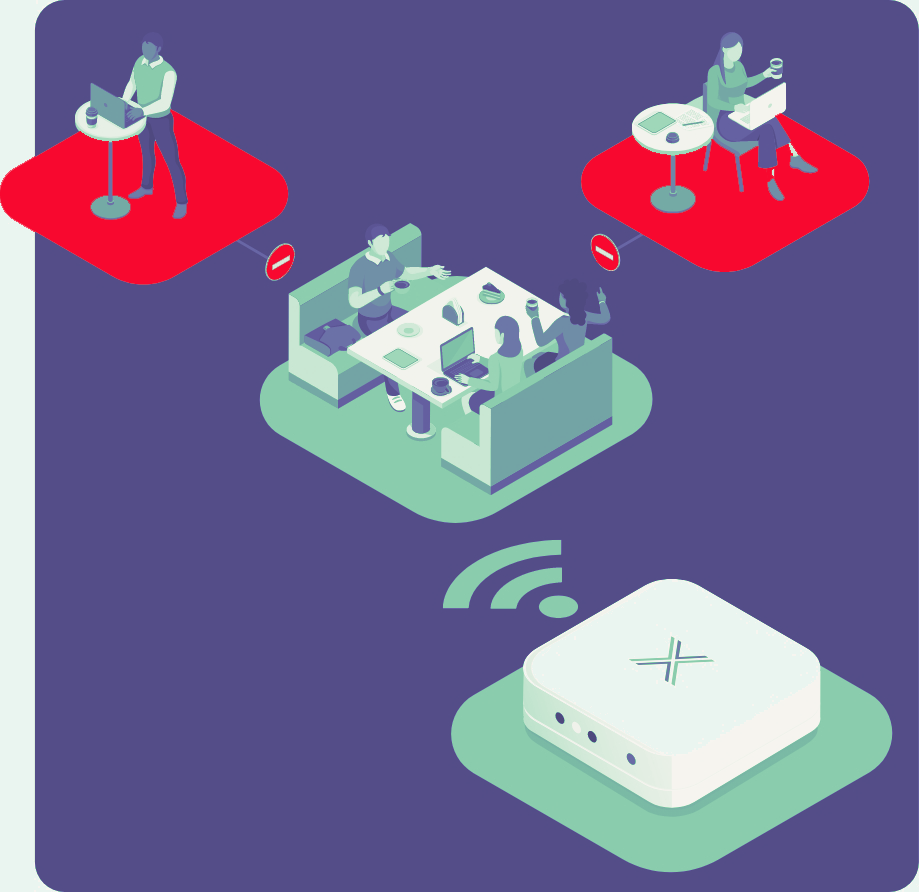
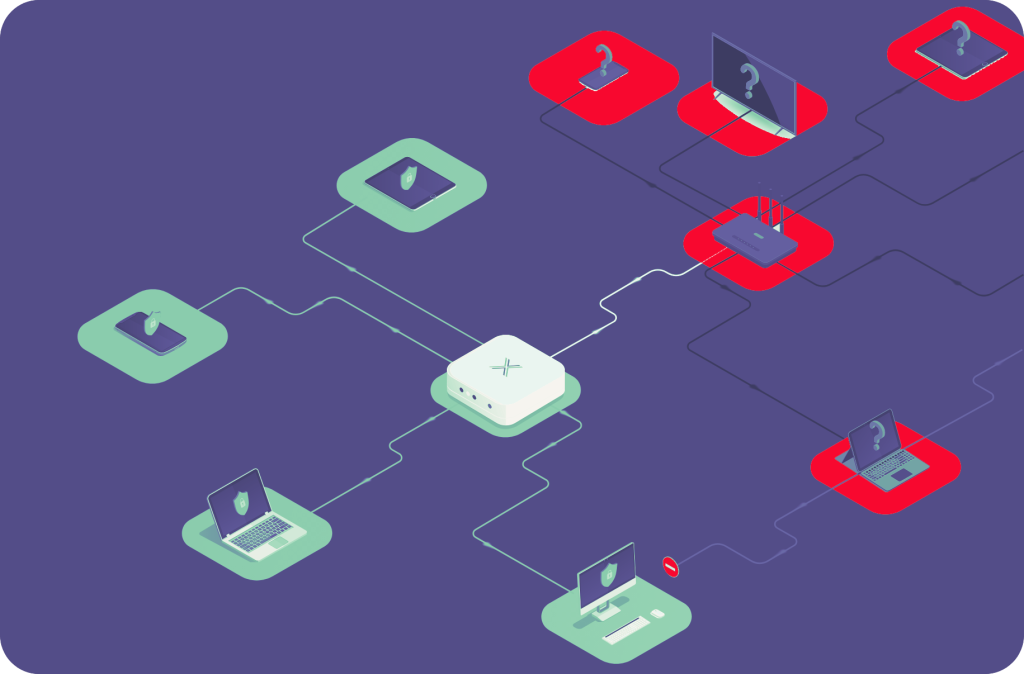
Stylised illustration of a Loxada device
Secure Access for Today's Healthcare

Healthcare

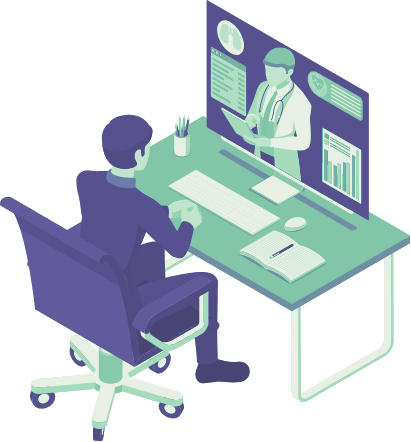
Care delivery, diagnostics, and clinical operations no longer stop at the hospital walls. From remote clinics to home offices and mobile health units, people across the sector reach sensitive systems from networks their IT teams don’t manage, and often don’t even know about.

Those connections can look secure. But if one starts from a compromised router or a shared Wi-Fi network, it can put PHI at real risk. This is the uncontrolled network edge, and it is a growing blind spot in healthcare security.

Loxada gives providers, payers, and partners a way to bring control back to that edge, with secure, managed routers that work alongside your clinical systems and infrastructure.

Why Traditional Controls Fall Short

Healthcare organizations invest heavily in HIPAA compliance, encrypted storage, access controls, and cloud security. The first mile of the connection, the network used to reach your systems, is the part that usually gets overlooked.

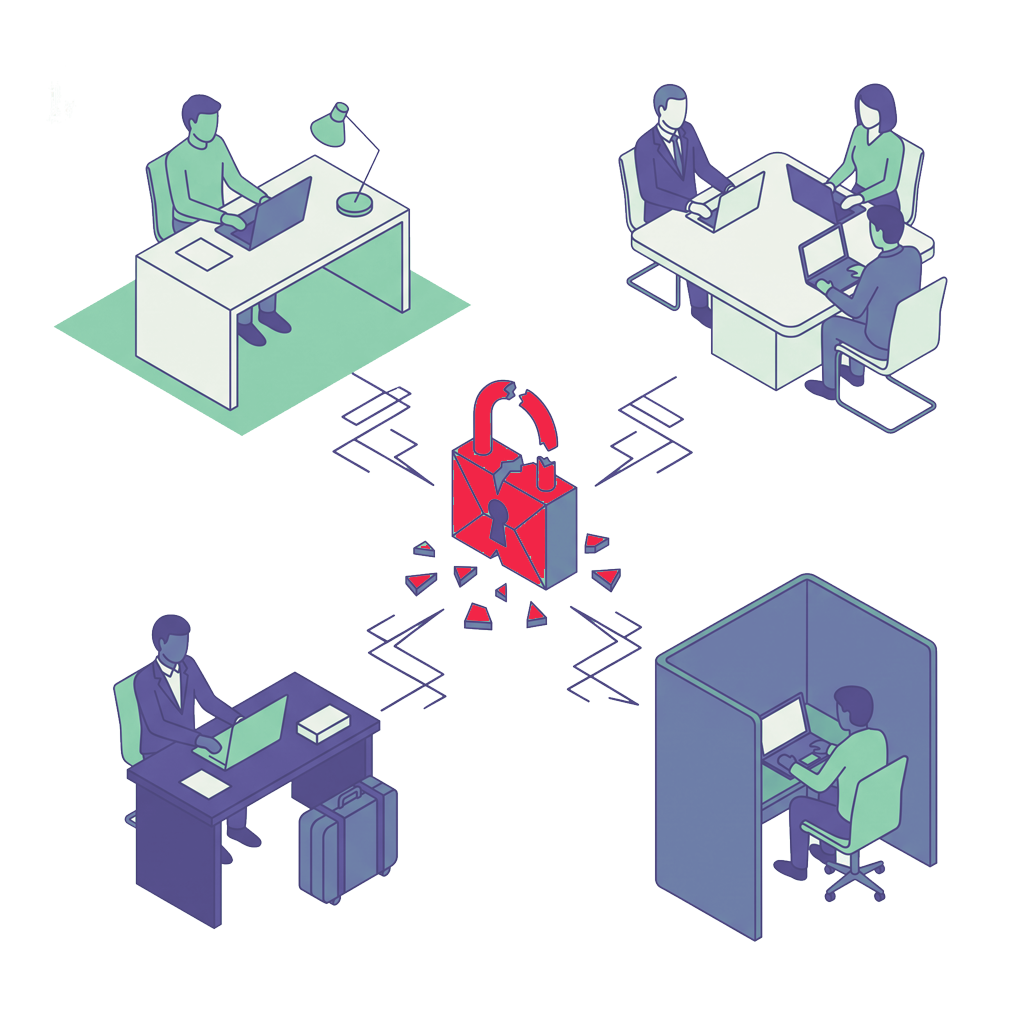
Consider a few everyday situations:

  • A care coordinator logging in from home through an outdated consumer router
  • A contractor reaching patient records from a co-working space
  • An on-call radiologist reviewing scans over hotel Wi-Fi
  • A claims processor connecting via a shared family network


In each one, whilst the endpoint may seem protected and the application secure, the network itself is unknown, untrusted, and potentially exposed.

The Uncontrolled Network Edge: A Growing Target

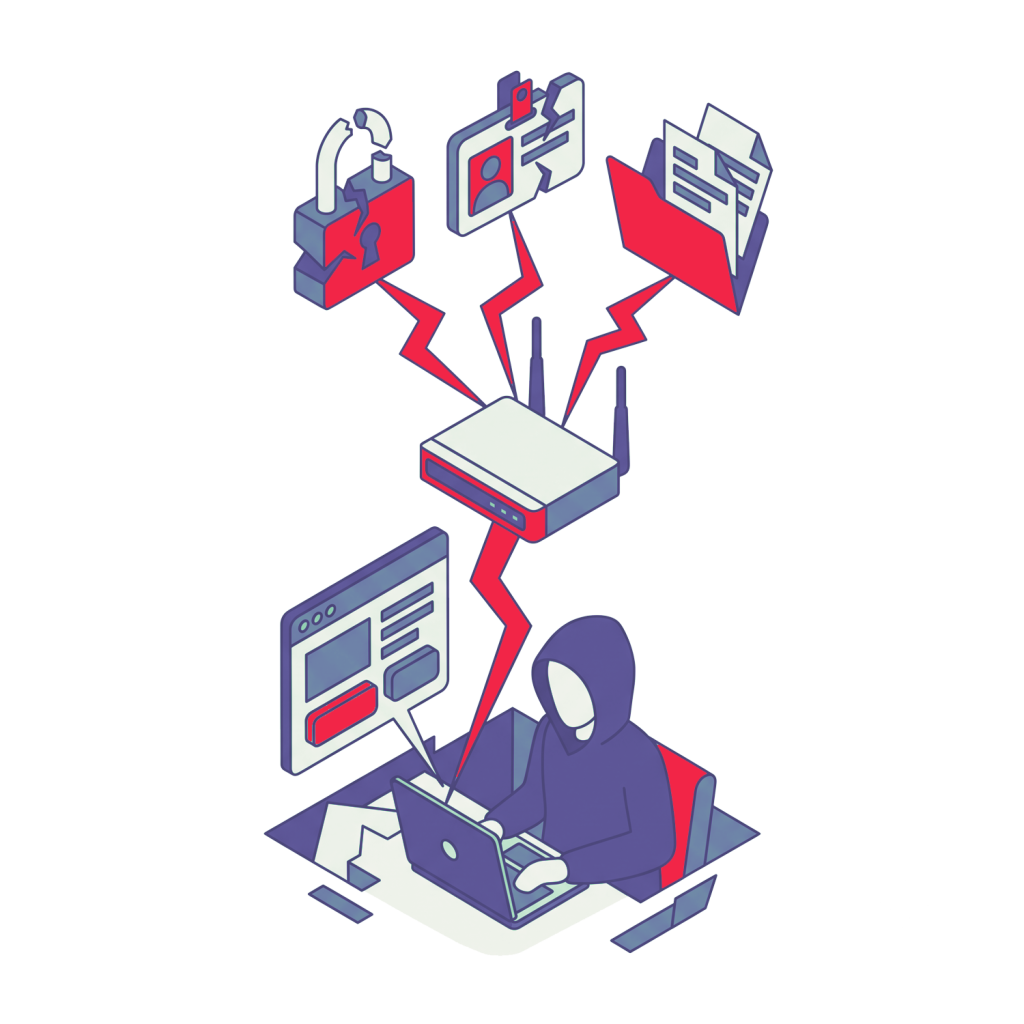
Attacks on healthcare are rising, in volume and in how easy they’ve become to run. Ready-made attack services put scanning tools and exploits within reach of low-skill actors, AI-assisted tooling finds vulnerable routers quickly, and searchable databases index exposed devices and misconfigured access points. Default firmware and poorly configured external networks remain widespread.

The scale of the shift is measurable: exploitation of edge-device and VPN vulnerabilities rose from 3% to 22% of vulnerability-related breaches in a single year (Verizon 2025 Data Breach Investigations Report, April, 2025). Agencies including the NSA and CISA have increasingly highlighted edge-device protection as a layer to take seriously, through secure firmware, automated updates, and controlled access paths. That is precisely the layer Loxada addresses.

Where an Encrypted Connection Alone Doesn't Reach

Many organizations rely on an encrypted-connectivity client (a VPN) for remote access. That encrypts traffic in transit, which matters, but it assumes the local network the traffic starts from is safe. Often it isn’t.

On an untrusted local network:

  • Malware on the same network can still reach a user’s device
  • Other devices on the network, laptops, phones, tablets, create room for lateral movement
  • An attacker can attempt to intercept credentials or spoof DNS before the encrypted connection is established
  • The off-the-shelf router itself may expose ports or firmware vulnerabilities
  • There is no visibility into the environment the user is connecting from


Loxada is designed to sit alongside your encrypted-connectivity client, not replace it, by securing the network the connection starts from. The two work together: your VPN protects the traffic, Loxada secures the ground it stands on.

Stylised illustration of a Loxada device

Loxada: Designed for Healthcare Reality

Loxada provides plug-and-play secure routers running Loxada’s own secure firmware, preconfigured to establish a secure, encrypted connection with no user setup.

Every Loxada secure router:

Runs Loxada’s secure firmware, replacing the manufacturer’s code.

Routes traffic through Loxada’s secure connectivity layer, an encrypted connection from the device out to the internet, clear of the untrusted local network.

Updates automatically, using cryptographically signed packages.

Blocks known malicious domains, dropping any request to a domain on Loxada’s aggregated blocklist of known-bad domains before it resolves.

Returns to a secure state if tampered with, so it can’t be dropped back to an insecure default

Is assigned to specific users or roles for controlled access.

Works alongside your EHR, cloud, and clinical platforms.

That gives your organization a trusted network at the point of access, wherever your teams are working.

Practical Protection Across Healthcare Roles

  • Clinicians and administrative staff working from home
  • Contractors, billing partners, and claims processors
  • Remote triage, telehealth, and after-hours support teams
  • Field clinics, research teams, and community health programs
  • Dental, therapy, diagnostics, and outpatient providers


Full-time, part-time, or temporary, they connect securely every time.

Supporting HIPAA and Security Expectations

Loxada helps healthcare organizations align with:

HIPAA Security Rules, supporting protection of PHI in transit and controlled access.

OCR guidance on remote access and technical safeguards.

Business Associate Agreements that call for demonstrable access controls.

Cyber insurance criteria, which increasingly look at remote access-level security.

Audits and procurement reviews that expect layered defenses.

NIST and NSA guidance on securing the network edge.

Deployment is fully auditable, with monthly security reports and device-status visibility, so you gain not just protection but evidence of due diligence.

Why Healthcare Organizations Choose Loxada

Protects PHI from the point of access.

Reduces edge risk, even in uncontrolled environments.

Supports HIPAA, BAA, and cyber insurance compliance.

Deploys quickly, with no user training required.

Works with your existing systems and security tools.

Provides clear evidence of best-practice implementation.

Loxada secures one layer, the networks outside your control that your teams connect from. It complements your endpoint, identity, and connectivity tooling rather than replacing it.

Let's talk about protecting healthcare data at the network edge.