In finance, sensitive information is the business. Client portfolios, payment instructions, transaction records, internal forecasts, all of it has to be protected not only in transit and at rest, but at the point of access.
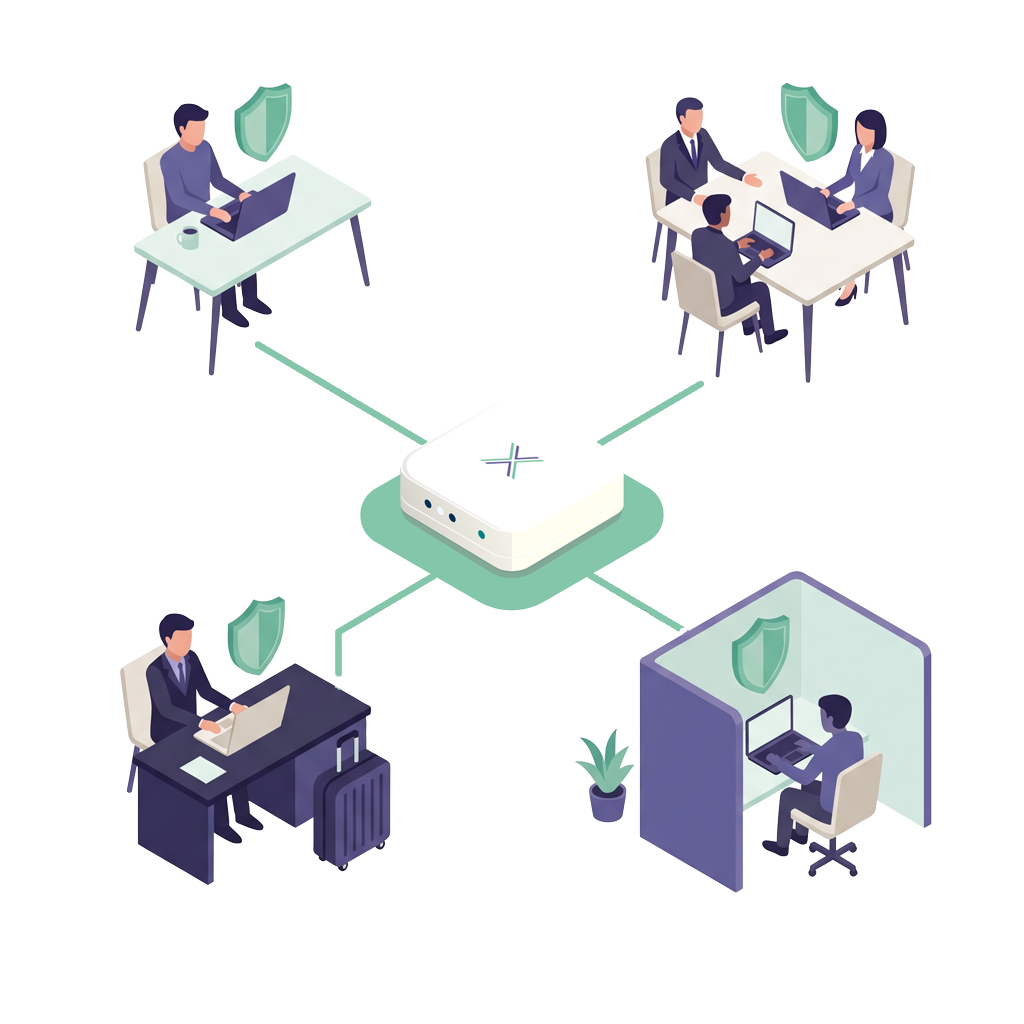
Hybrid and remote work is now permanent across the industry, which means your people routinely connect from networks your organization doesn’t control: home offices, hotel rooms, client sites, co-working spaces, each with its own security profile.
Loxada helps close that gap by securing the uncontrolled network edge, the routers and local infrastructure outside your control that staff rely on when they reach data and systems remotely. That reduces both data risk and compliance exposure from beyond your IT perimeter.
Most firms have invested in cloud platforms, encryption, and secure endpoints. The connection between the user and your systems, the network edge, is what tends to stay exposed.
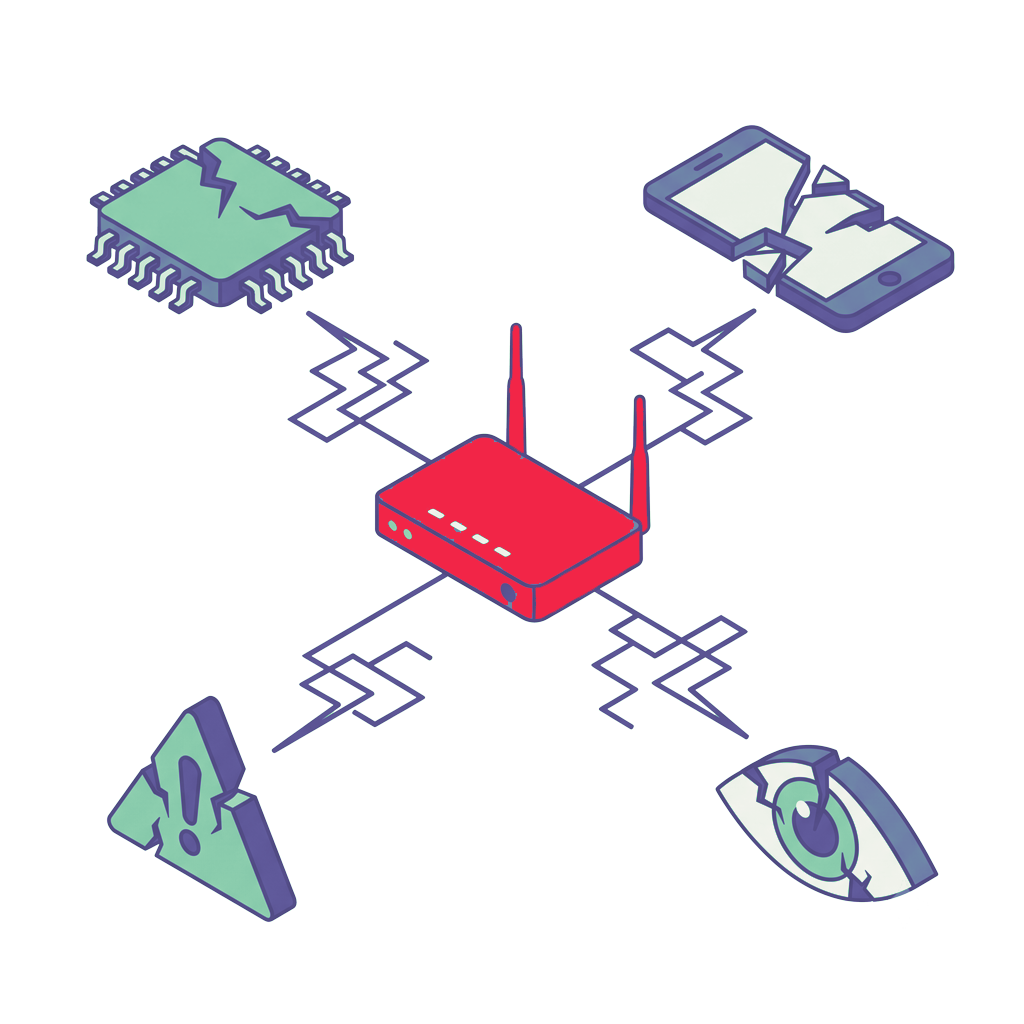
Most off-the-shelf routers:
So an analyst reviewing client records from home or when out of the office may be connecting through infrastructure that puts your data and your compliance obligations at material risk.
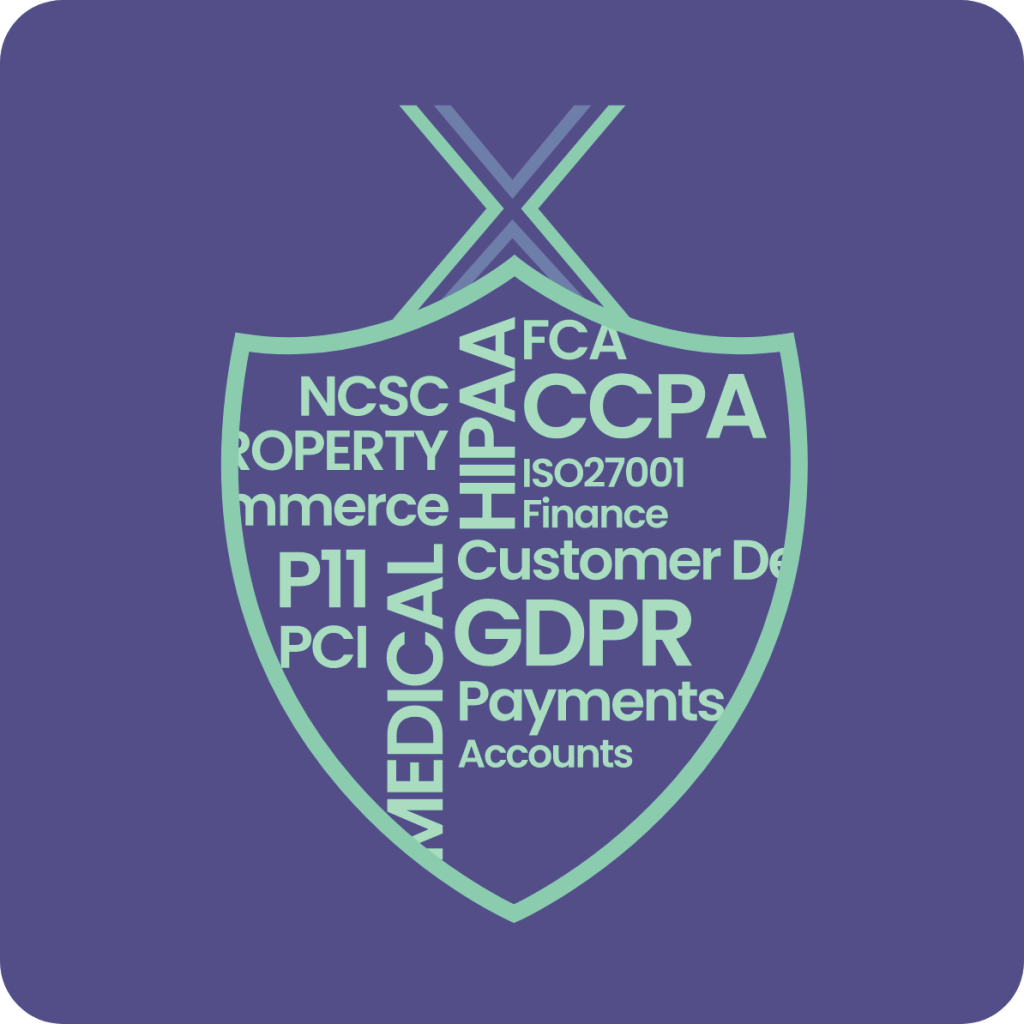
Frameworks including NIST, FFIEC, and SEC guidance increasingly expect firms to secure the infrastructure staff use, not just the software. The SEC’s 2023 cybersecurity disclosure rules point firms toward demonstrating reasonable oversight of the systems used to access data, remote access included.
Financial services remains a top target, and the nature of the threat is changing.
Ready-made attack services mean adversaries no longer need deep technical skill to compromise a router or edge device. They can rent scanning tools, buy access to already-breached infrastructure, or run automated attacks with little effort. Add AI-assisted phishing, automated reconnaissance, and off-the-shelf exploitation scripts, and the scale rises sharply. Within breaches that involved exploiting a vulnerability, the proportion targeting edge devices and VPNs rose from 3% to 22% year on year, an almost eightfold increase (Verizon 2025 Data Breach Investigations Report).
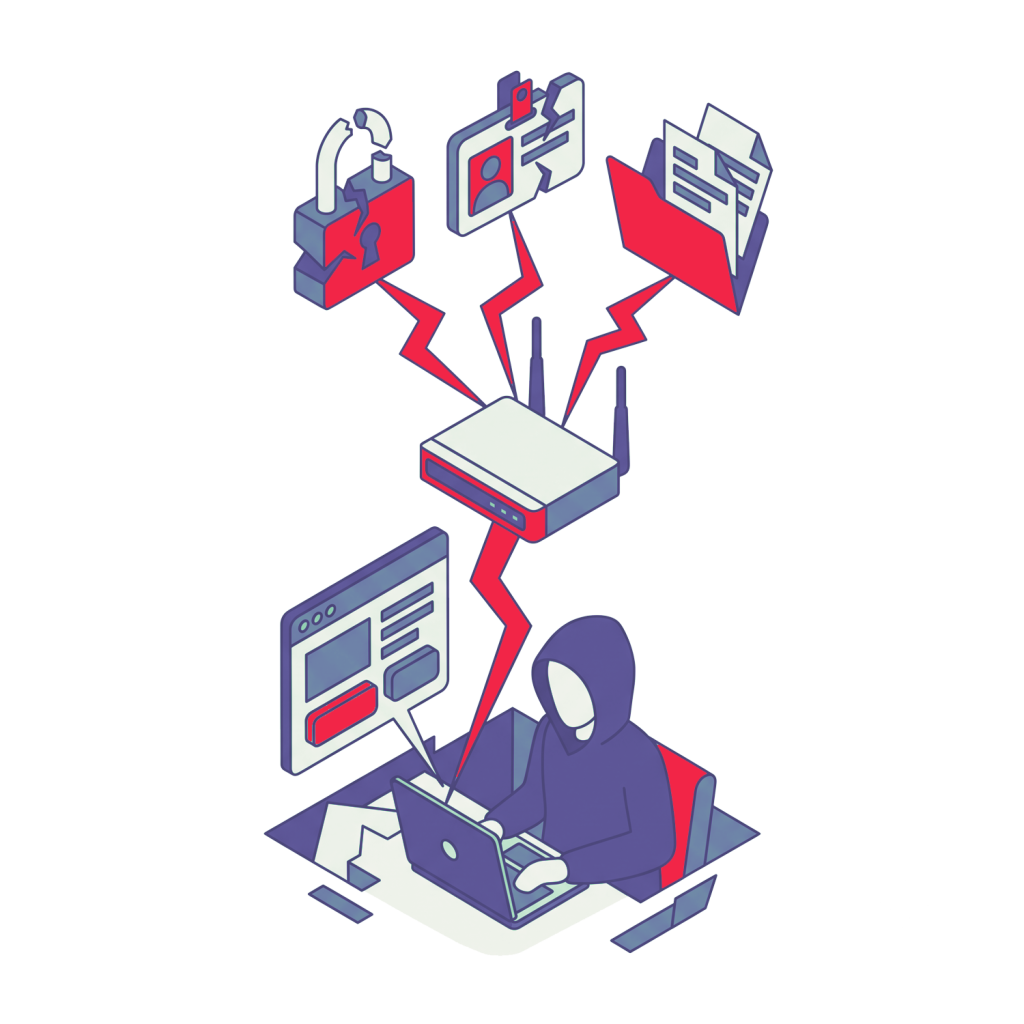
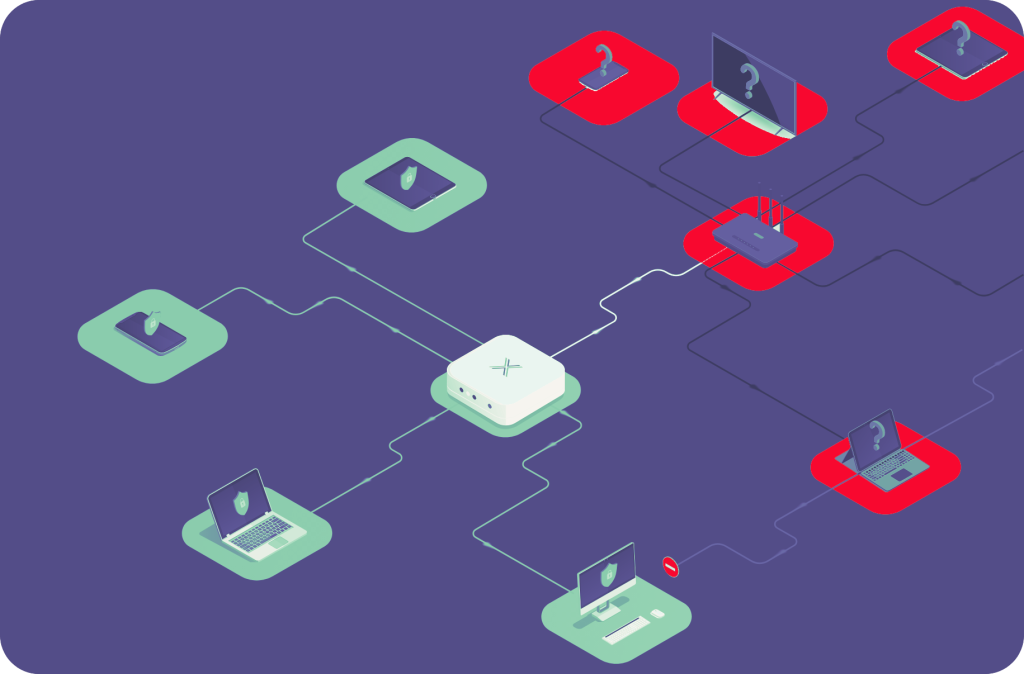
Attacks aimed at the network edge tend to share a feature: they don’t breach your systems, they exploit the infrastructure someone uses to reach it, and they sit outside the view of most endpoint or connectivity monitoring. Common methods include DNS hijacking to spoofed portals, interception of traffic on the local network, lateral movement from a compromised device, and persistent router compromise that exposes traffic or credentials.

Loxada removes the uncertainty at the edge with fully managed, pre-configured secure routers built for sensitive environments, giving every remote worker a consistent, trusted connection.
Each Loxada secure router:
Nothing to install, nothing to configure, and no dependence on users to keep things current. You get a consistent secure edge, everywhere your people work.
Loxada is built for regulated, risk-aware financial organizations. It helps you:
Deployment is fully auditable, with monthly security reports and device-status visibility, so the device becomes a physical extension of your internal controls, wherever your team is working
In each case, traffic is protected from the moment it leaves the user’s device, not only once it reaches your core systems.
Loxada secures one layer, the networks outside your control that your people connect from. It complements your endpoint, identity, and connectivity tooling rather than replacing any of it.