Community and local banks serve millions of people, often in places the national chains overlook. That mission matters, and it comes with a security problem that is getting sharper.
As banking runs more and more on remote access and distributed teams, smaller institutions carry real exposure at the uncontrolled network edge: staff homes, serviced offices, and shared off-site operations. These sit outside direct IT oversight while staying fully connected to core systems and sensitive customer data. Attackers know it, and they are hitting these access points with more speed and scale than before.
Loxada gives you a simple, regulator-aligned way to secure remote access and sensitive systems, even without a large IT team or specialist infrastructure.
The threat landscape has shifted, and not in favor of smaller banks.
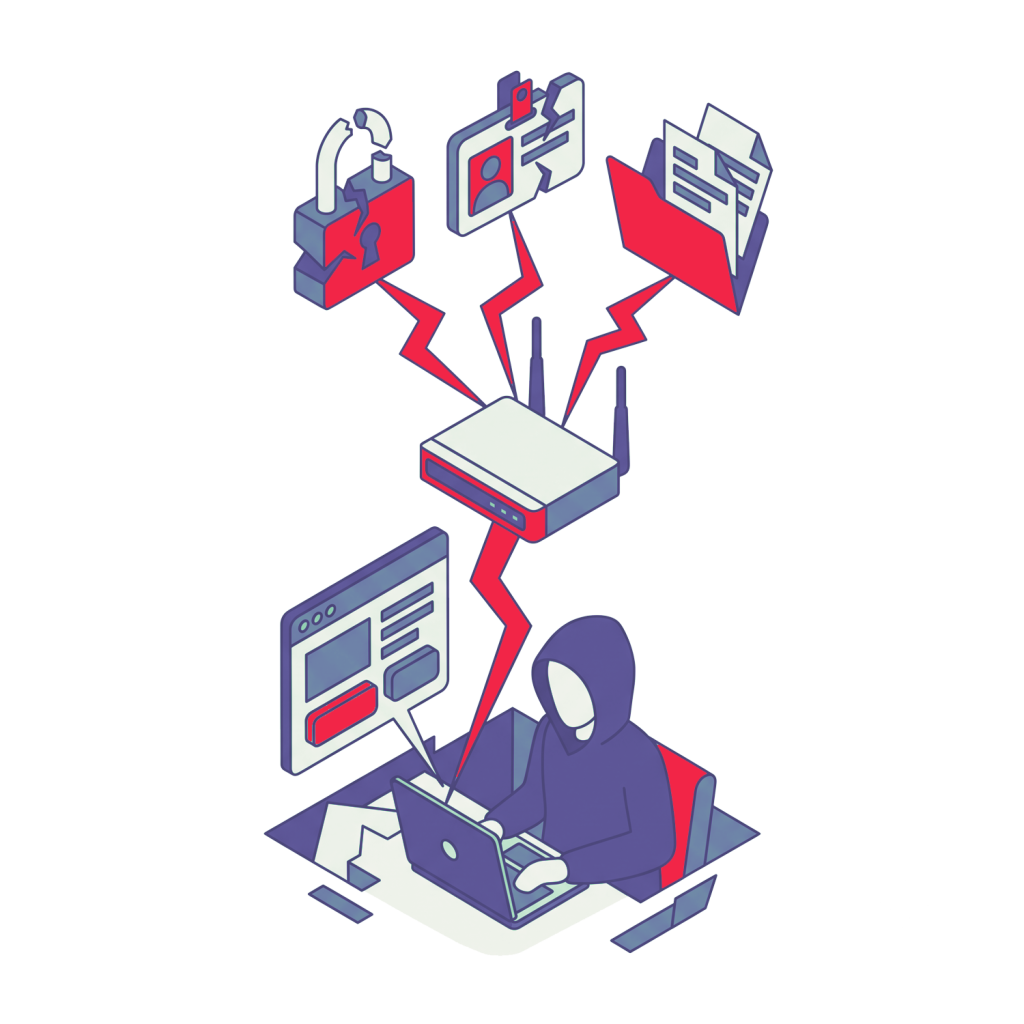
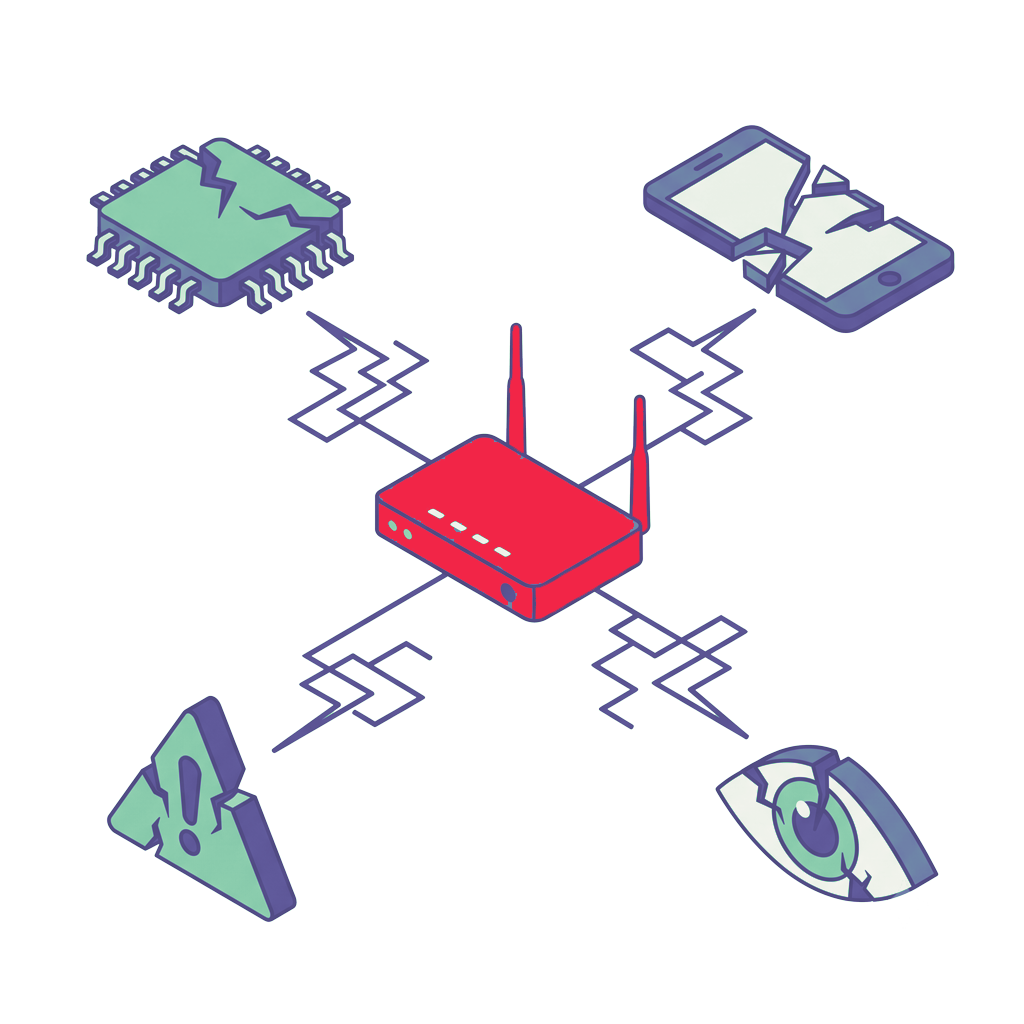
Consumer-grade and legacy routers are being scanned and exploited in growing numbers.
Ready-made attack kits and AI tooling keep lowering the barrier to entry for cybercrime.
Remote access for staff is now a permanent feature of how banks operate.
Regulatory expectations around patching, firmware integrity, and remote access are rising
Large banks run dedicated security operations centers and in-house engineering. Community and local banks are usually doing more with less, on smaller teams. Adversaries understand that gap and target it deliberately.
The scale of the shift is measurable: exploitation of edge-device and VPN vulnerabilities rose from 3% to 22% of vulnerability-related breaches in a single year (Verizon 2025 Data Breach Investigations Report, April, 2025). For a bank without a large security function, that is the difference that matters.
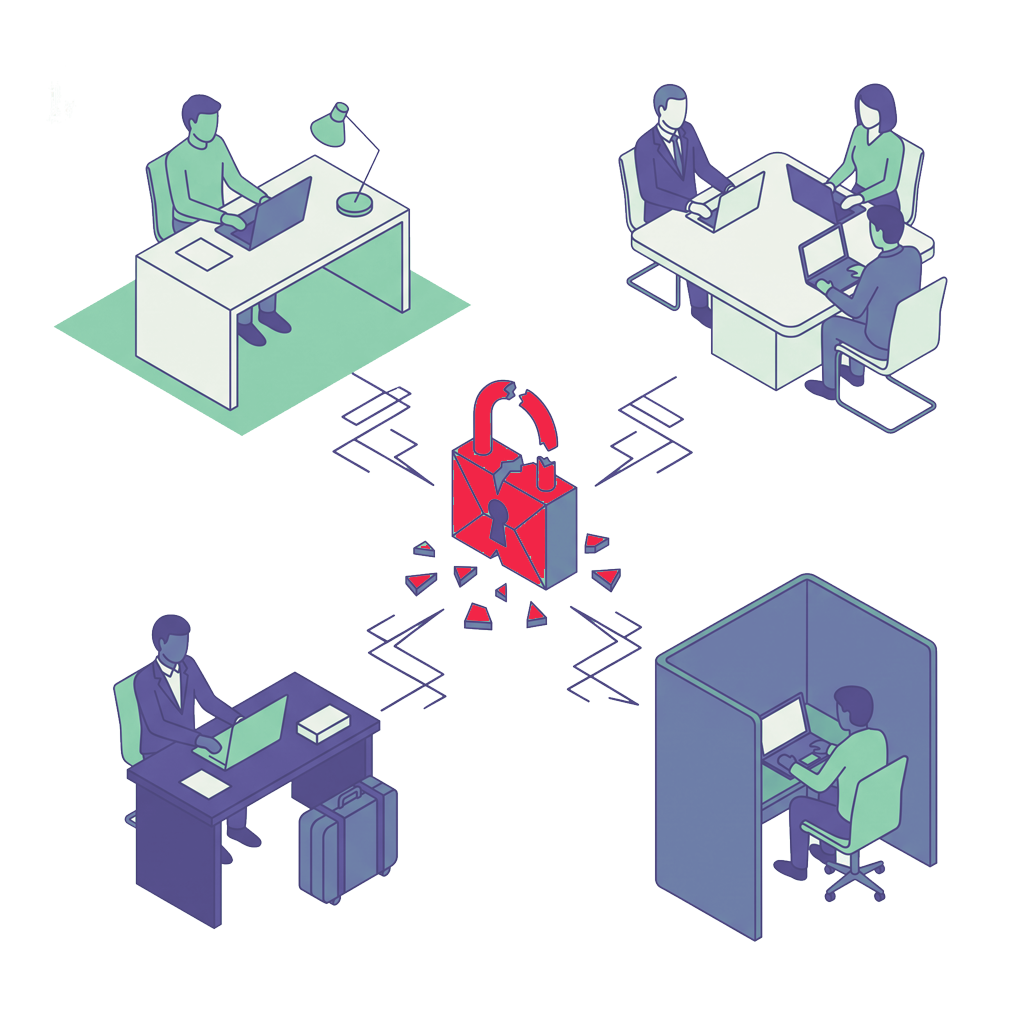
The network edge used to mean a branch or a data center. Now it’s anywhere an employee connects to systems or data, often from places IT can’t fully manage or secure:
Home networks running outdated or ISP-supplied routers.
Leased or shared offices with unknown infrastructure.
Mobile and hybrid arrangements for loan officers, auditors, and contractors.
Each of these is a network entry point the bank has no practical way to secure.
Every one of these opens a path for malware, lateral movement, or unauthorized access, and puts FDIC cyber expectations and internal controls at risk.
Each Loxada secure router arrives with our own secure firmware already installed, with none of the consumer software or insecure defaults the hardware shipped with. Once configured, the device:
Creates a dedicated, encrypted work-only network, separate from whatever else is on the local Wi-Fi.
Routes traffic through Loxada’s secure connectivity layer, an encrypted connection from the device out to the internet.
Receives automatic firmware and security updates, independent of the hardware manufacturer.
Returns to a secure state if tampered with, so protection can’t be quietly stripped away.
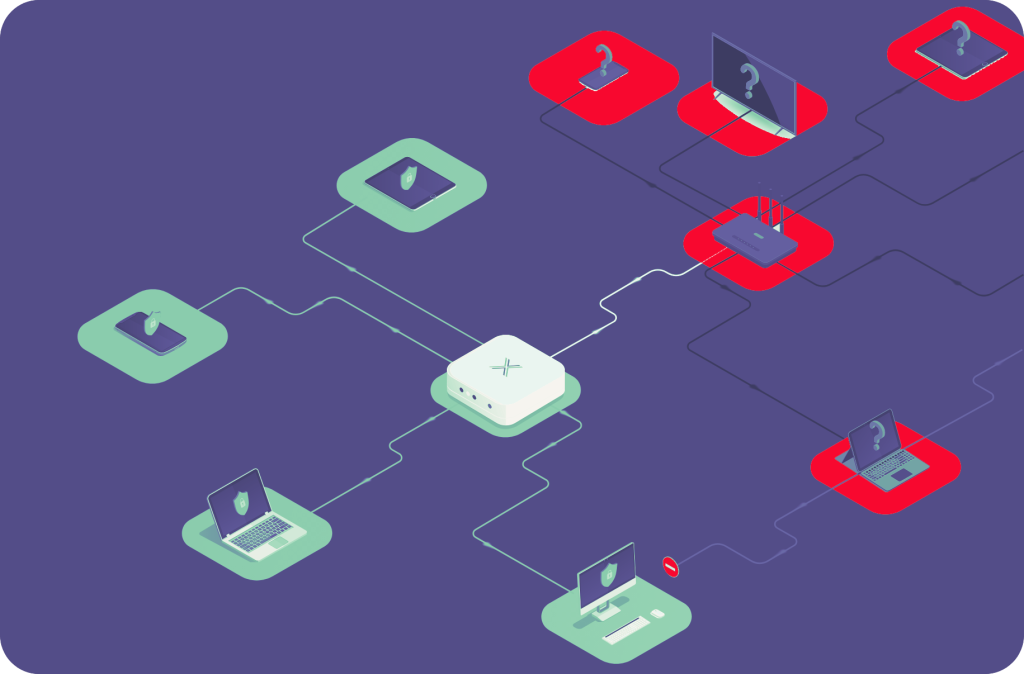
Connects only to authorized, Loxada-managed infrastructure.
Blocks known malicious domains, dropping any request to a domain on Loxada’s aggregated blocklist of known-bad domains before it resolves
No configuration, and no reliance on staff to keep updates or settings current.

Loxada is built to complement your security stack, not replace it.
It gives your team a known, trusted network that is distinct from the home or office it runs inside, so the connection holds even when the surrounding network can’t be trusted.
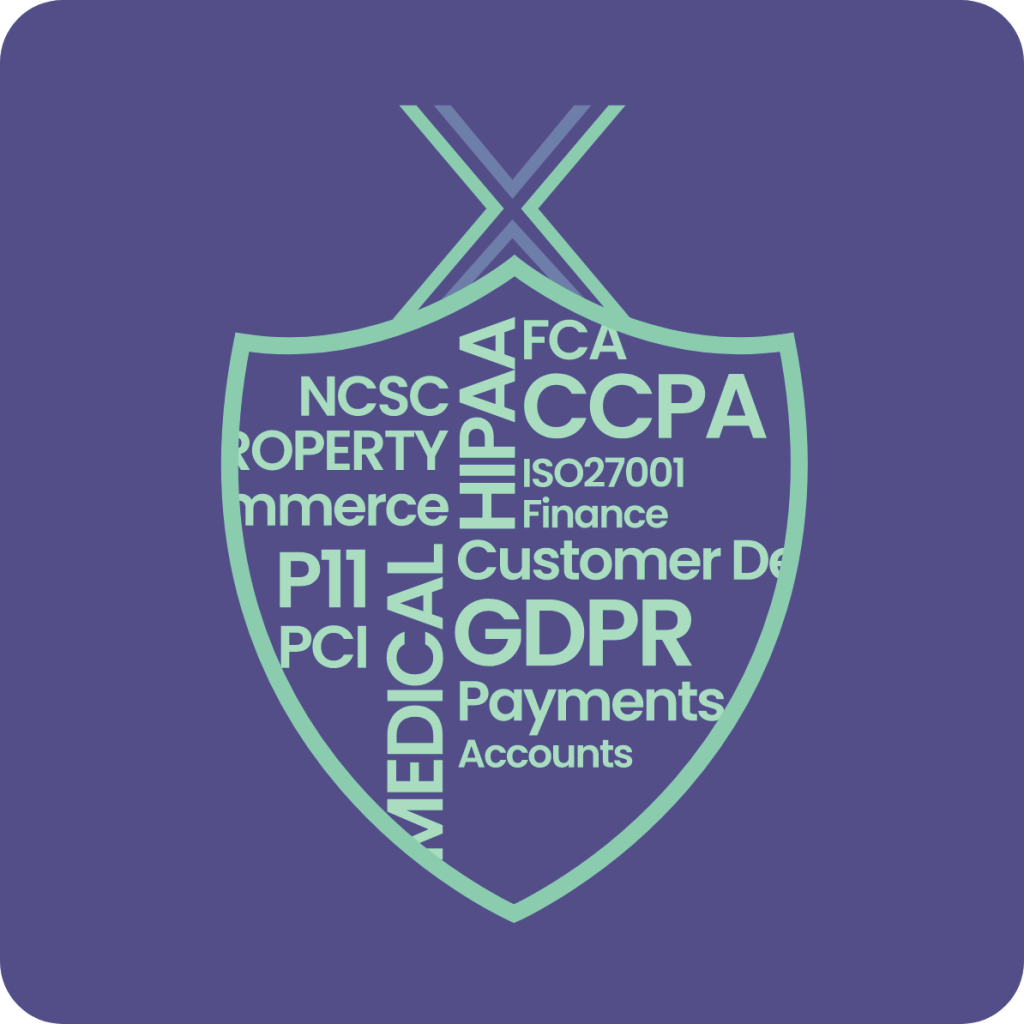
The FDIC, OCC, and State banking regulators have sharpened their focus on:
Router and firmware management, including patching and version control.
Third-party and remote-access governance.
Asset visibility for edge devices and unmanaged connections.
Network separation and zero-trust architecture.
Loxada supports these priorities directly, giving you a centrally controlled, pre-secured connection point you can deploy anywhere staff work. Deployment is fully auditable, with monthly security reports and device-status visibility, so you can show which devices are in use and how they are configured.
Small banks shouldn’t have to choose between complexity and compliance. Loxada raises your security baseline at the uncontrolled network edge without disrupting operations or adding user friction.
Secures remote access with a strong encrypted connection.
Strengthens your compliance posture for FDIC, OCC, and State regulators.
Removes reliance on user patching or configuration.
Reduces lateral risk from untrusted local devices.
Adds no overhead for busy IT teams.
Deploys in minutes and scales across distributed locations.
Loxada secures the network layer outside your control that your staff connect from. It works alongside your endpoint, identity, and connectivity tools rather than replacing them.