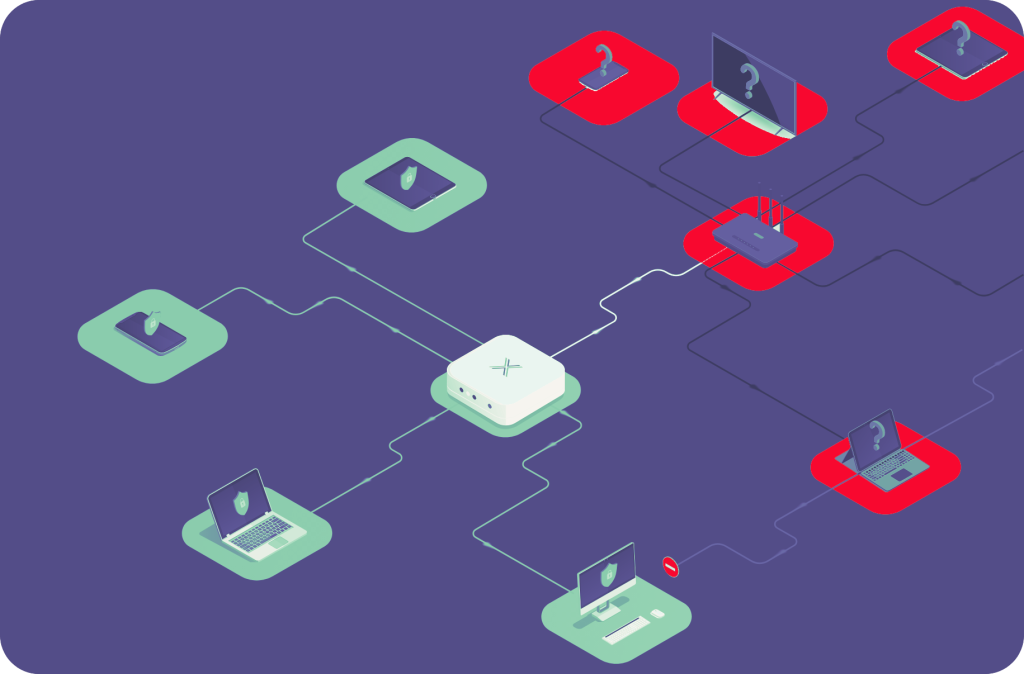
Stylised illustration of a Loxada device
Securing Case Access for Local Police Departments

Law Enforcement

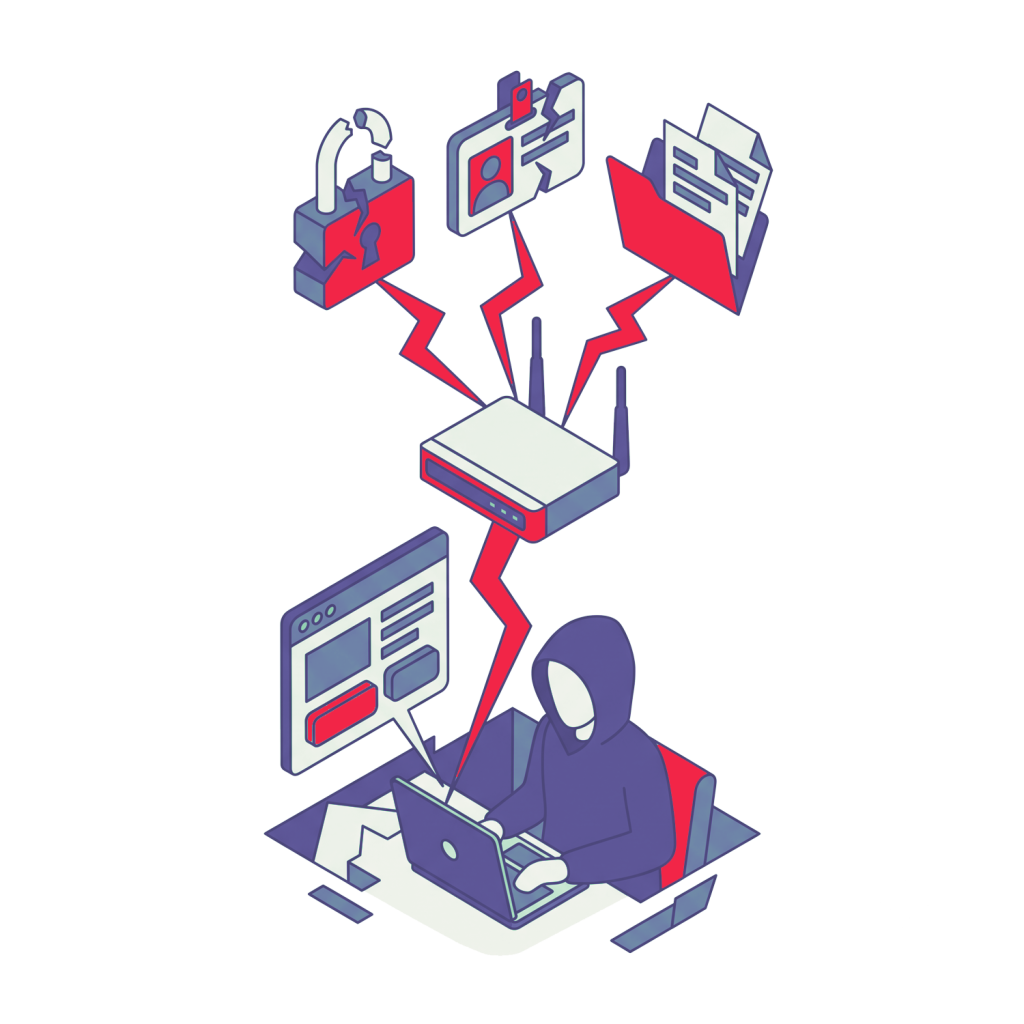
Officers now reach sensitive case systems from well beyond the precinct, which makes the networks they connect from a growing risk. This is the uncontrolled network edge, and for law enforcement it has become one of the sharper exposure points. Whether the concern is foreign-made router software, unpatched consumer hardware, or plain human error, local and regional departments need a way to protect data without taking on complexity they can’t staff.

Loxada helps police departments and sheriff’s offices secure remote access to sensitive systems, even when staff connect from home, a vehicle, or a partner site. Our managed secure routers establish a trusted, auditable connection point, aligned with CJIS security requirements and with guidance from the NSA and CISA.

Small Departments Face Big Threats

The economics of cybercrime have changed. Tools that once took years of training to use are now widely available: ready-made attack services, AI-assisted tooling, pre-packaged scripts for scanning and exploiting routers, and public databases of unpatched or default-configured devices.

That puts law enforcement agencies, smaller ones especially, in the field of fire, both directly (to reach case systems) and indirectly (through shared networks or exposed devices). And it isn’t only deliberate attackers: a misconfigured home router, unverified firmware, or poorly maintained ISP hardware can open a quiet gap that puts CJIS obligations at risk.

The shift is measurable. Exploitation of edge-device and VPN vulnerabilities rose from 3% to 22% of vulnerability-related breaches in a single year (Verizon 2025 Data Breach Investigations Report, April, 2025).

Common Risk Scenarios We See

Smaller departments are often under-resourced, leaning on overworked  IT support or older infrastructure. For example:

  • A detective reviewing reports from home over family Wi-Fi
  • An officer uploading bodycam footage over hotel or coffee-shop Wi-Fi while traveling for training
  • A clerk entering arrest data from a shared admin PC on a third-party network
  • Investigators working across departments or partner agencies
  • Shared routers in temporary department buildings or mobile command vehicles


Each of these raises the likelihood of a network-based compromise, even when the endpoints themselves are fully protected.

Where an Encrypted Connection Alone Doesn't Reach

An encrypted-connectivity client (a VPN) is common in law enforcement, and it does an important job: it encrypts traffic in transit. What it can’t do on its own is:

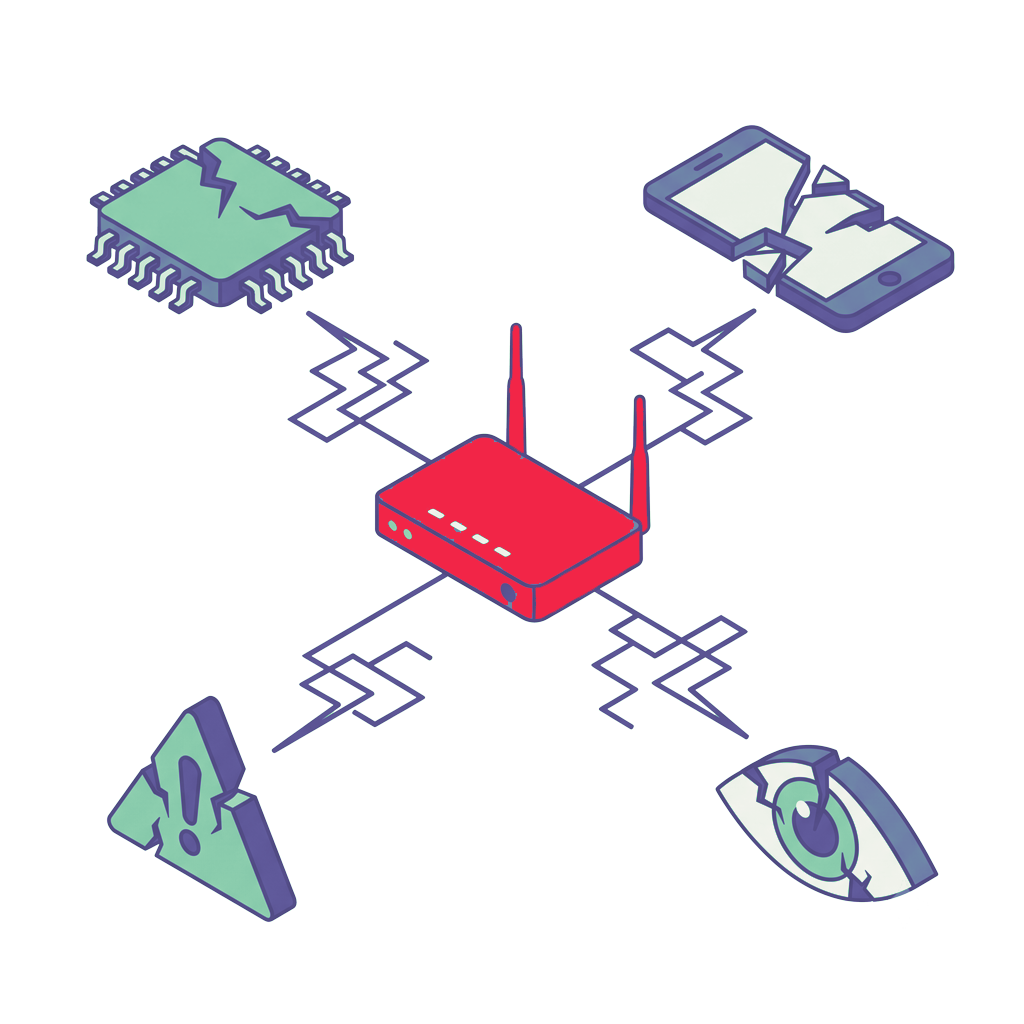
  • Protect against a compromised router or manufacturer manipulated firmware
  • Stop malicious activity from other devices on the same local network
  • Confirm the router itself hasn’t been tampered with
  • Prevent lateral movement from other devices sharing the network


Loxada works alongside your existing VPN by controlling the point of entry, so remote access starts from a secure, known-good network. The two are complementary: the VPN protects the traffic, Loxada secures the ground it starts from.

Stylised illustration of a Loxada device

Built for CJIS Compliance, Without the Overhead

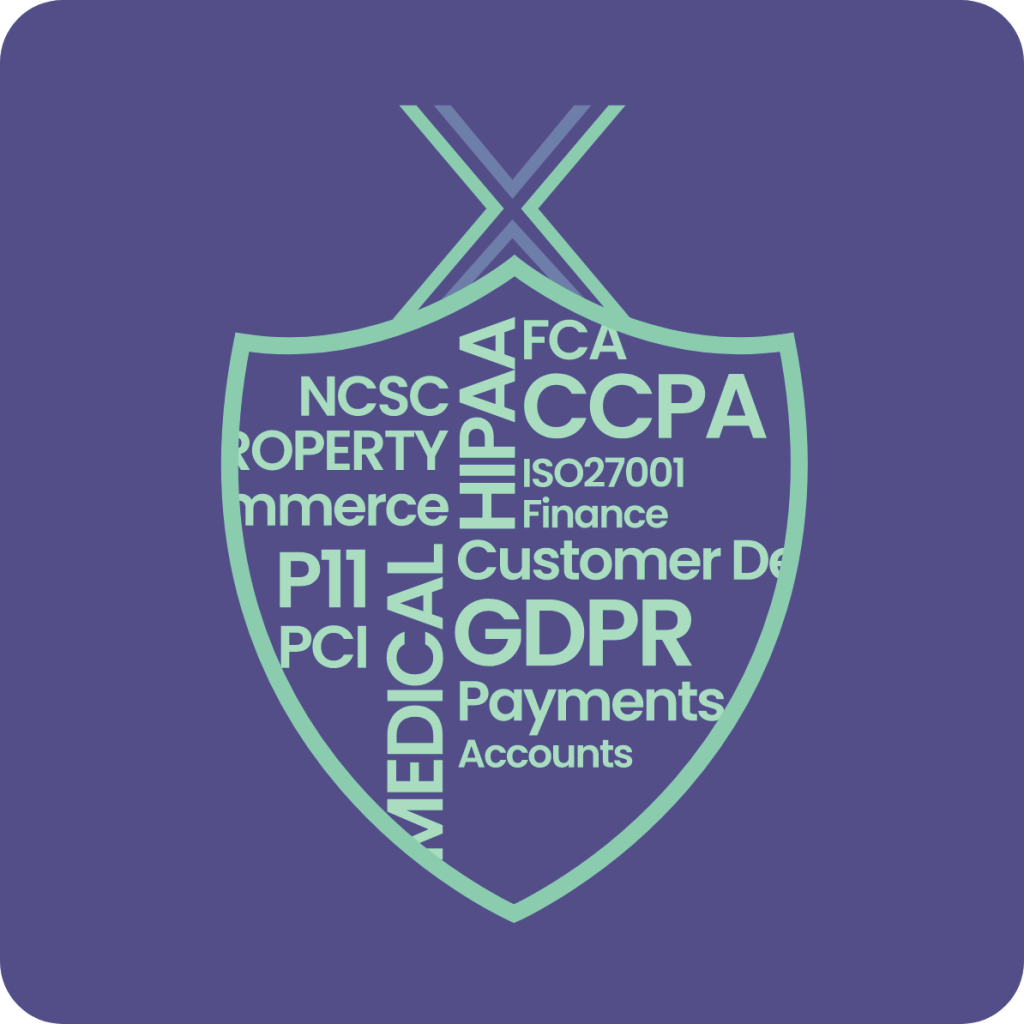
Meeting CJIS expectations is hard for a small force. Loxada supports several core areas of the CJIS Security Policy:

Remote access:  Loxada provides an encrypted connection from a centrally managed device, so access begins from a controlled, known-good state.

System and firmware integrity:  Loxada’s own secure firmware replaces the manufacturer’s code and updates automatically using signed builds, keeping firmware and configuration under central control.

Wireless access control: Loxada creates a centrally managed, encrypted work network, separate from the local traffic around it, with updates applied automatically even where there’s no dedicated IT team.

How It Works

Loxada secure routers ship pre-configured. Setup takes minutes:

  • Staff plug in the device at home, in the field, or on location and complete a one-time security verification
  • A dedicated, secure work network is created straight away
  • Traffic is routed through Loxada’s secure connectivity layer, an encrypted connection out to the internet
  • The device stays isolated from the local network and any unknown routers
  • Requests to known malicious domains are dropped before they resolve, using Loxada’s aggregated blocklist
  • No technical expertise, no manual updates, no management burden


If access is revoked, when someone leaves, for instance, the device returns to a secure state and can be reassigned.

Why This Matters for Law Enforcement

  • Many devices ship with insecure firmware and exploitable defaults
  • A factory reset often restores compromised defaults rather than a hardened state
  • Unknown vendor firmware and supply-chain provenance raise flags under CJIS
  • Public Wi-Fi remains a serious exposure point for officer devices


Loxada takes that uncertainty away by giving departments control over the network edge itself, not just the applications and data.

Why Local Law Enforcement Agencies Choose Loxada

Protects CJIS access from home, vehicle, or shared locations.

Reduces lateral risk from unsecured networks.

Supports compliance with CJIS, and aligns with NSA and CISA guidance.

Eliminates manufacturer firmware risk with Loxada’s secure firmware and centrally managed, automatic updates.

Requires no IT overhead, ideal for under-resourced departments.

Works alongside existing VPNs and security controls.

Let's have a straightforward conversation about securing your department's remote access.