EDITED APRIL 2026
Staff no longer connect to company systems from one predictable place. They sign in from the kitchen table, a hotel room during a conference, a serviced office, or a client site. The work is the same wherever it happens. The network underneath it is not.
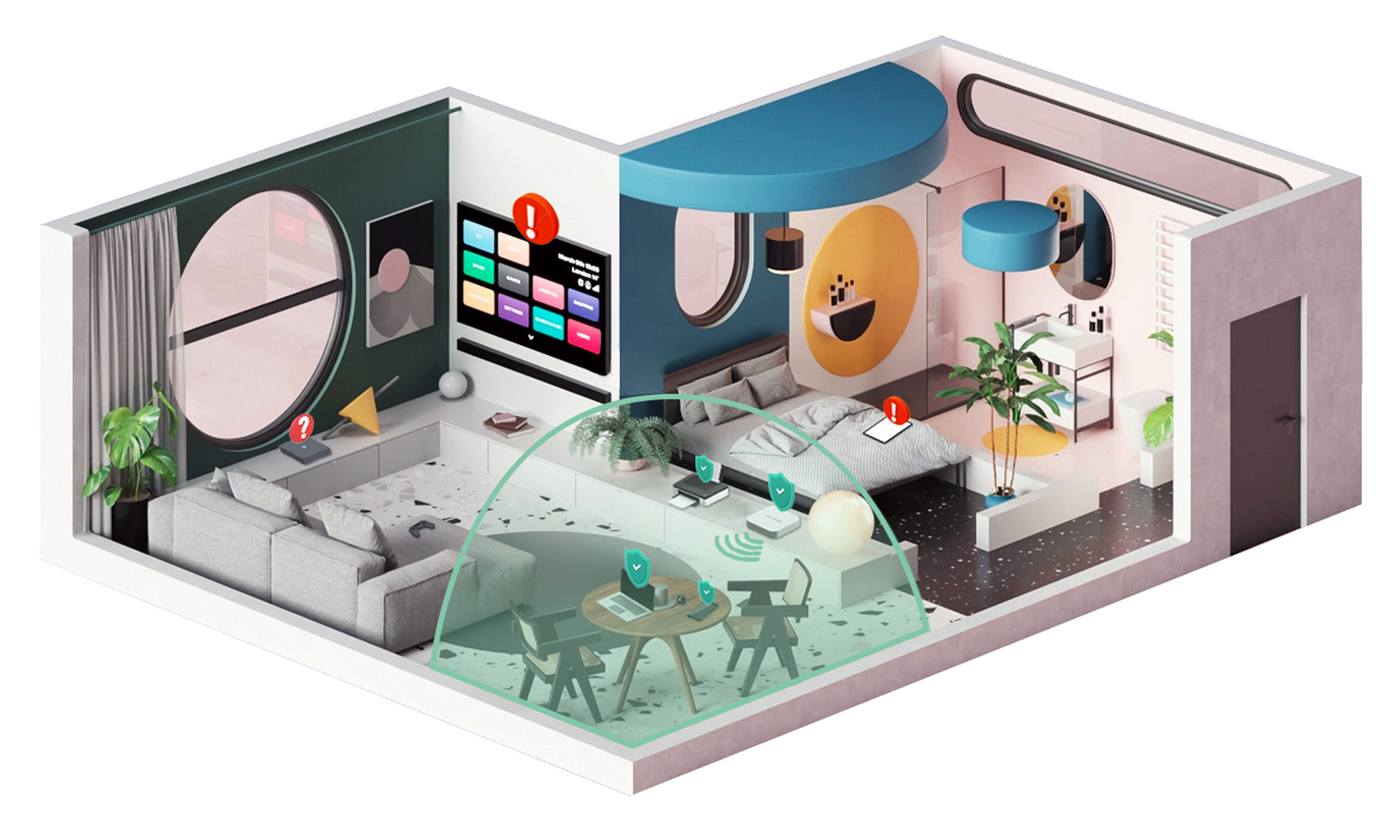
That network is the part most organisations cannot see. IT has no way to verify the router firmware, the configuration, who else is connected, or whether the equipment has already been compromised. This is the uncontrolled network edge, and it is where a growing share of sensitive access now begins.
A Remote Private Network, or RPN, is one way to close that gap. It is often confused with a VPN, so it is worth being precise about what each one does.
RPN and VPN are not the same thing
A VPN encrypts traffic as it travels across the internet. That is genuinely useful, and it remains part of a sensible security stack. But a VPN makes an assumption: that the local network the traffic starts on is not hostile. At the uncontrolled network edge, that assumption often does not hold. If the router a staff member is connected to has been compromised, a VPN does nothing about the devices sitting alongside them on the same Wi-Fi, and nothing about the state of the router itself.
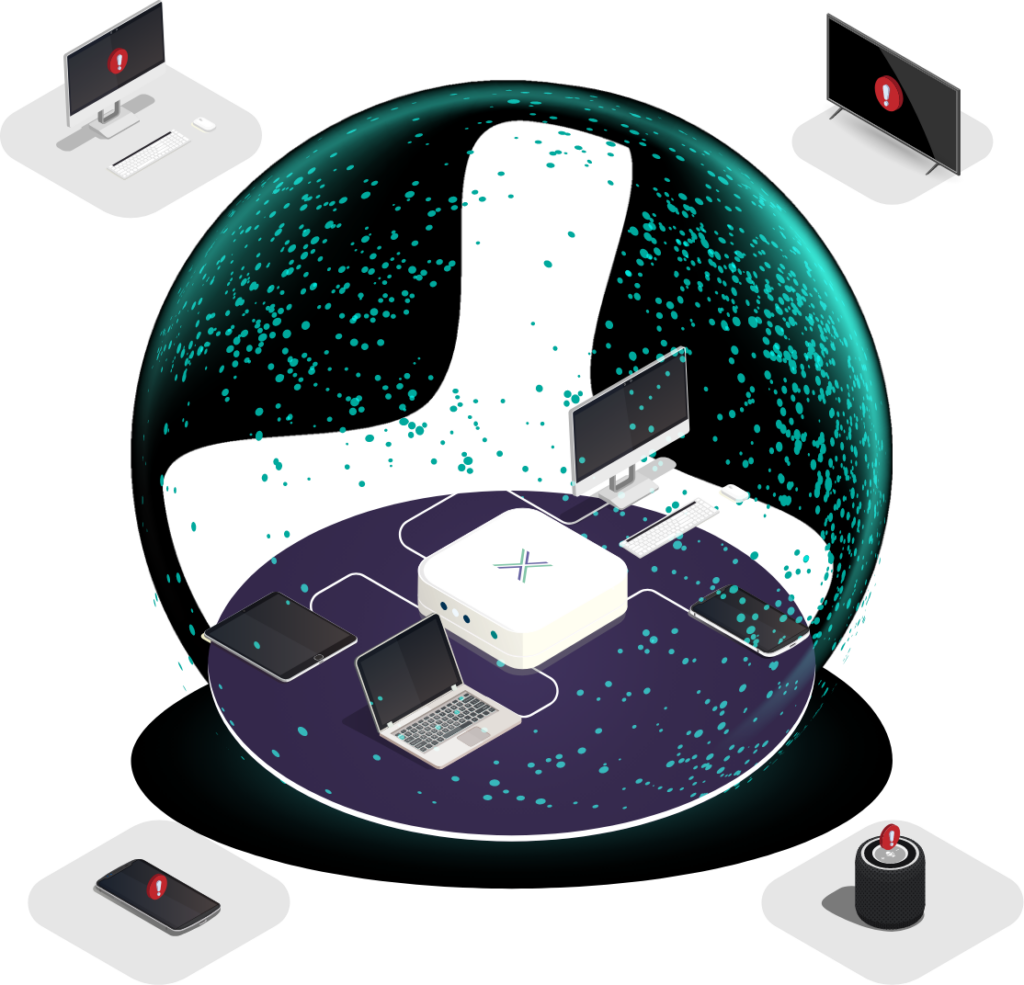
An RPN works on a different layer. Rather than only protecting traffic in transit, it changes the network environment the traffic starts from. With Loxada, staff are given a managed secure router that creates a separate, work-only network wherever they plug it in, keeping company traffic apart from personal laptops, smart TVs, games consoles and other devices on the local Wi-Fi. That router then establishes an always-on encrypted connection into the Loxada RPN, our managed secure connectivity layer, from which traffic reaches the public internet.
The short version: a VPN secures the traffic. An RPN secures the environment the traffic comes from, and gives the organisation a known, consistent network edge wherever its people work.
What this looks like in practice
Every Loxada device runs our own proprietary firmware. The manufacturer’s original firmware is replaced entirely, so the device is not dependent on a vendor’s update practices, and a factory reset returns it to Loxada’s setup mode rather than to the manufacturer’s defaults.
From there, the system is designed to stay out of the user’s way:
- The router arrives preconfigured. The user plugs it in and enters their email address. There is no software to install and no technical setup.
- Company traffic is separated from everything else on the local network, so a compromised personal device cannot use the connection as a bridge into business systems.
- Firmware and configuration are managed centrally and updated automatically, without relying on the user or the IT team to act.
- If a device is lost or a user leaves, it can be deactivated remotely. A deactivated device cannot reconnect in secure mode.
For the IT team, the result is a consistent, centrally managed network edge in place of hundreds of unknown home and hotel routers. Device status and firmware version are visible centrally, and a monthly assurance summary records which devices are deployed, connected and current.
Where an RPN fits, and where it does not
An RPN is not a replacement for the tools you already run. It sits alongside your VPN, endpoint protection and identity systems, each of which addresses a different layer. What it adds is control over the one layer those tools were never designed to reach: the network environment at the point of access.
It is also worth being clear about what Loxada does not claim to do. Loxada is not a monitoring or threat-detection product. It does not inspect the content of user traffic or watch for anomalies. What it provides is a hardened, managed, consistently configured network edge, with deployment-level assurance that the devices in use are the right ones, current, and connected as intended.
Securing the uncontrolled network edge is where Loxada started, through Loxada Secure. The same managed-hardware foundation now also supports Loxada Verify, for confirming that the person on the other end of a request is genuinely who they claim to be, and Loxada Quantum Secure, which brings post-quantum cryptography to the network layer without changes to your applications.
If staff are connecting to sensitive systems from networks your team cannot see, an RPN is a practical way to bring that access back under control. We are happy to talk through what that would look like for your organisation.