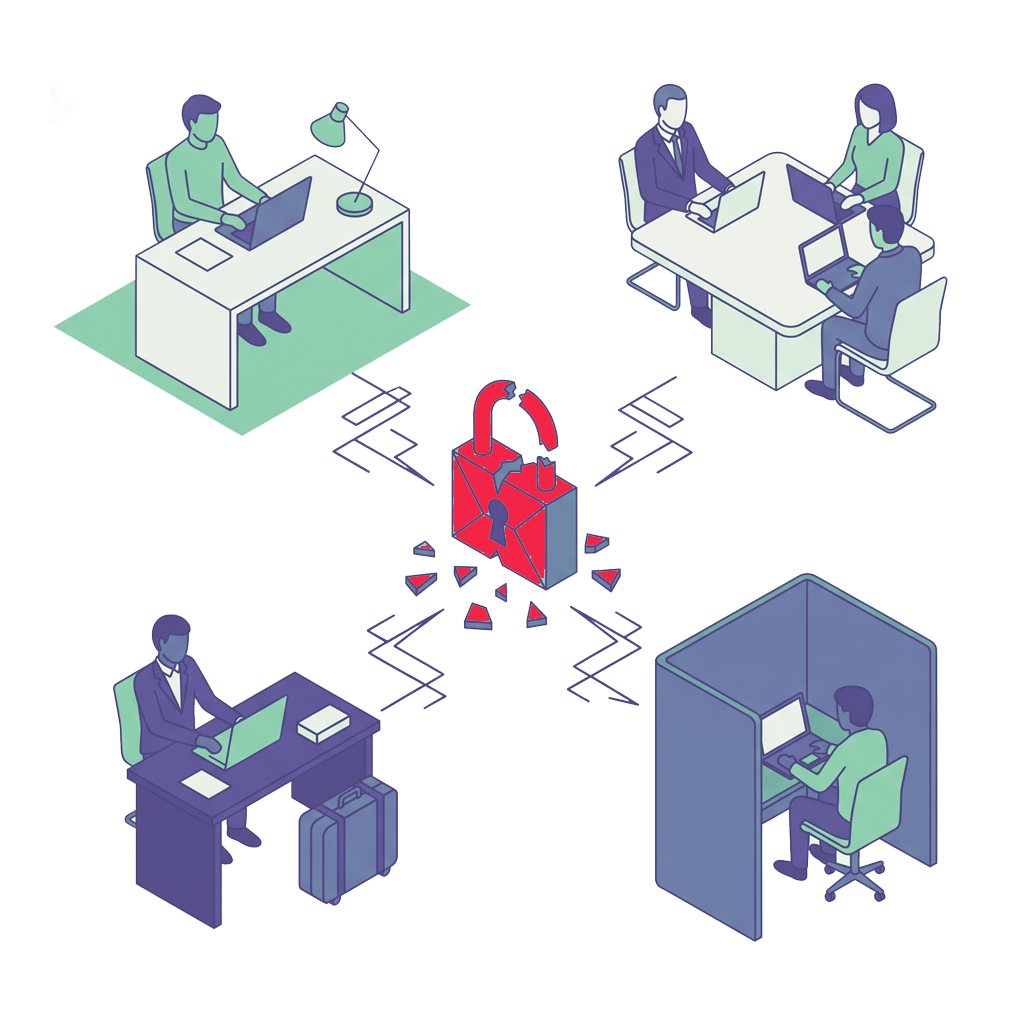
Retail banking is delivered across more locations than it used to be. Main branches and satellite sites, contact centres, relationship managers meeting customers in the field, and back-office and support staff working from home.
Every one of those is a point where someone reaches customer data and banking systems, and where the connection may not be secure.
Loxada provides a managed secure router that brings those connections under control, giving you a documented, evidenced answer at a layer most banks cannot currently account for.
The Uncontrolled Network Edge Problem
Staff reaching banking systems from home or shared spaces are typically doing so through an off-the-shelf router. Those devices:
Run firmware with known vulnerabilities, often long out of date
Revert to insecure defaults after a factory reset
Allow lateral access between devices sharing the same network
Sit outside the visibility of IT and compliance teams entirely
That exposure sits underneath your encryption, your endpoint protection and your internal controls, which is precisely why it goes unnoticed.
It is also growing. Exploitation of edge-device and VPN vulnerabilities rose from 3% to 22% of vulnerability-related breaches in a single year, according to the Verizon 2025 Data Breach Investigations Report.
A Trusted Access Layer for Banking Teams
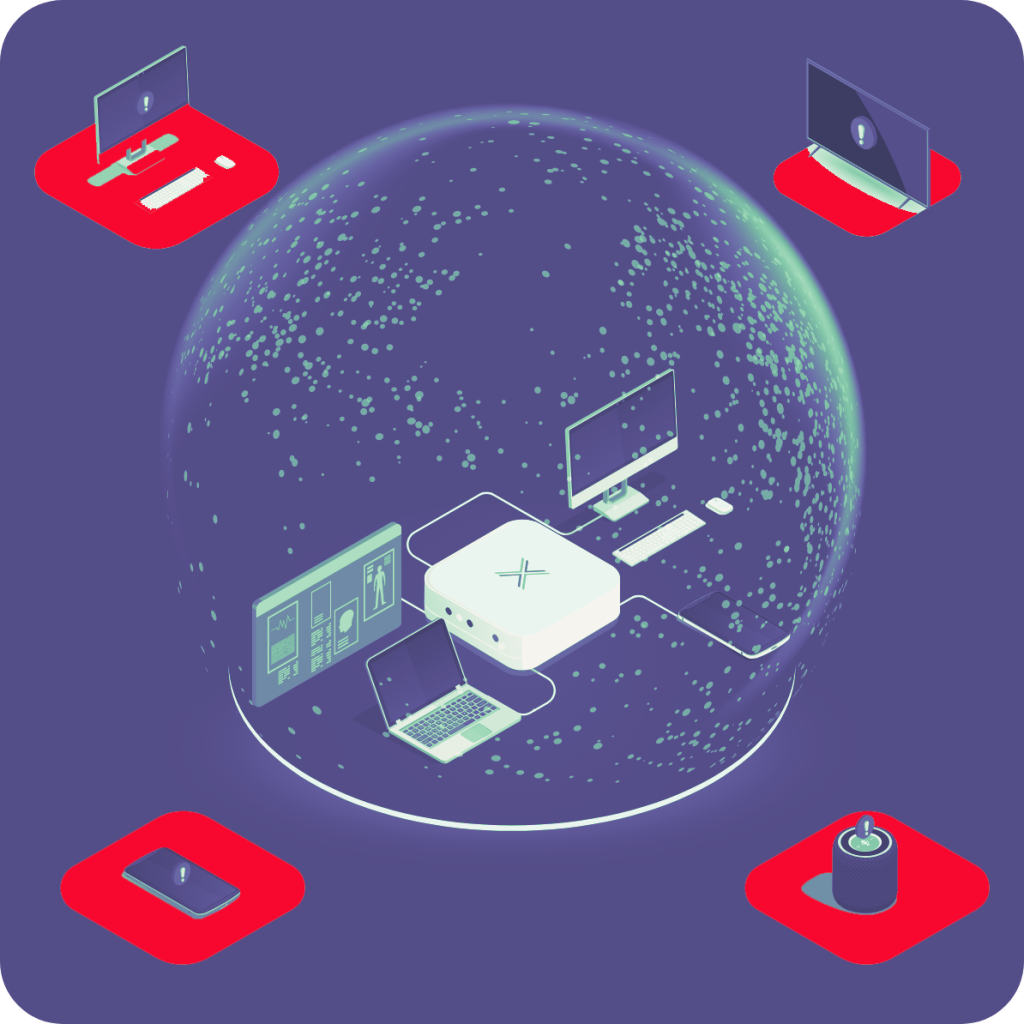
Loxada replaces unknown devices with a Loxada secure router, routing traffic through Loxada’s secure connectivity layer, an encrypted connection from the device out to the internet.
Each device:
Runs Loxada’s secure firmware in place of the manufacturer’s, so security does not depend on a vendor’s code or update practices
Creates a separate work network, isolated from other devices on the local connection
Blocks known malicious domains, dropping requests to domains on Loxada’s aggregated blocklist before they resolve
Updates automatically, with no user involvement
Returns to a secure state after a factory reset, and cannot be rolled back to a superseded build
Can be revoked centrally, without retrieving the hardware
Deployment is fully auditable, with monthly security reports and device-status visibility.
Where It Fits
Hybrid and flexible working across head office and operations teams.
Relationship and lending staff reaching systems from home or between customer meetings.
Contact centre and support staff handling customer information remotely.
Satellite branches and agency sites without dedicated on-site IT.
Contractors and temporary staff during peak periods or programme work.
Supporting Regulatory Expectations
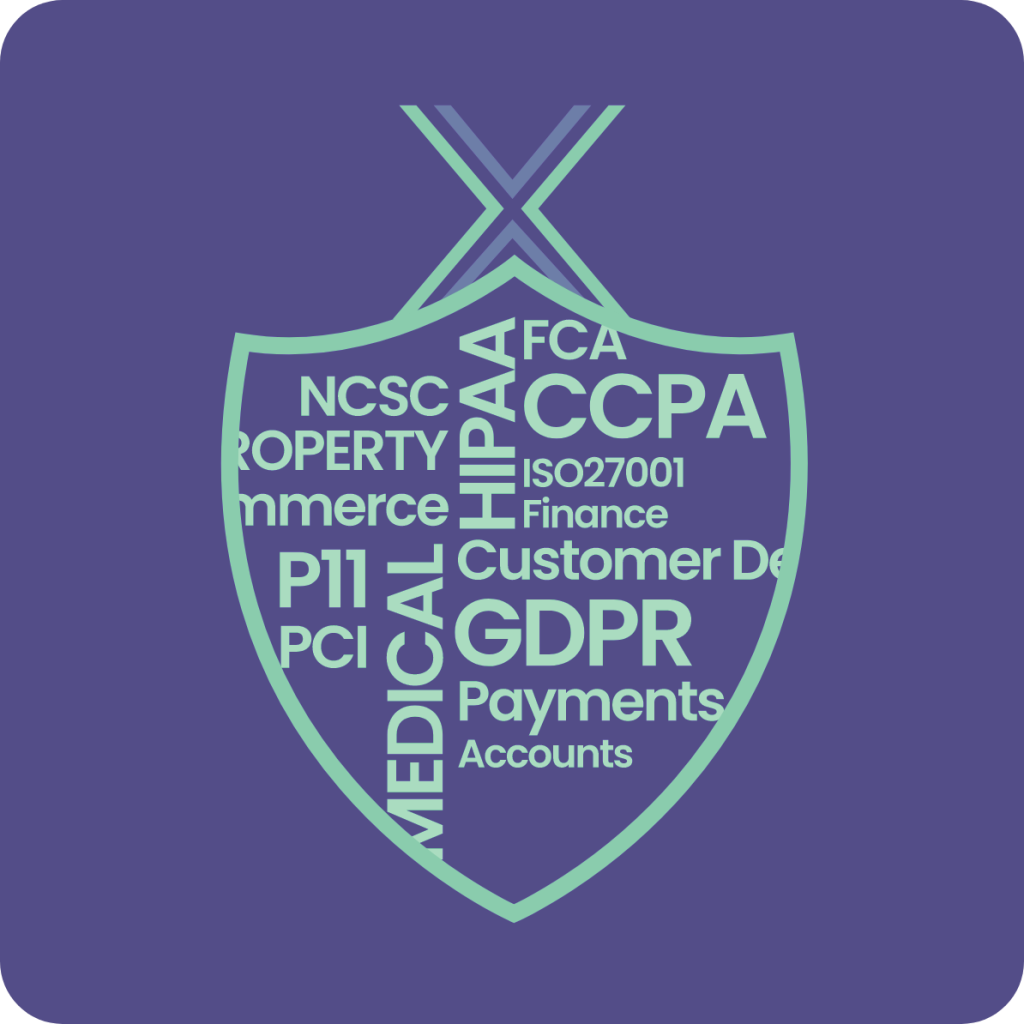
For UK banks the relevant framework is the FCA and PRA operational resilience regime, and regulators now expect firms to evidence resilience rather than just assert it: to show they can keep important business services running through severe but plausible disruption, and to understand what each of those services depends on. A compromised home or shared network that permits interception or lateral movement is exactly that kind of scenario.
The network edge shows up most sharply in dependency mapping. Domestic routers chosen by staff and maintained by nobody are an unmapped technology dependency, and Loxada replaces them with a single documented provider that can be governed as a managed service arrangement, giving the individual accountable under the Senior Managers and Certification Regime evidence rather than intentions. NCSC guidance on firmware integrity, secure remote access and network separation points the same way.
Loxada supports these expectations at one layer. It is a preventive control providing deployment coverage and configuration assurance, not monitoring, detection or containment.
Why Retail Banks Choose Loxada
Brings an unmanaged layer under documented, auditable control
Reduces reliance on staff behaviour for network hygiene
Deploys easily and scales across branches, departments and home workers
Supports FCA, PRA and NCSC expectations with evidence you can produce
Works alongside your existing security stack rather than replacing it
Security That Travels With Your Team
Talk to us about protecting remote access connectivity at scale.
We use cookies to ensure that we give you the best experience on our website. If you continue to use this site we will assume that you are happy with it.