You are accountable for your clients’ IT environments. When their people connect from home offices, serviced spaces and satellite sites, the network at the other end is one you cannot see, cannot patch and cannot evidence.
That gap sits underneath everything else you deliver, and when something goes wrong there, it is still your phone that rings.
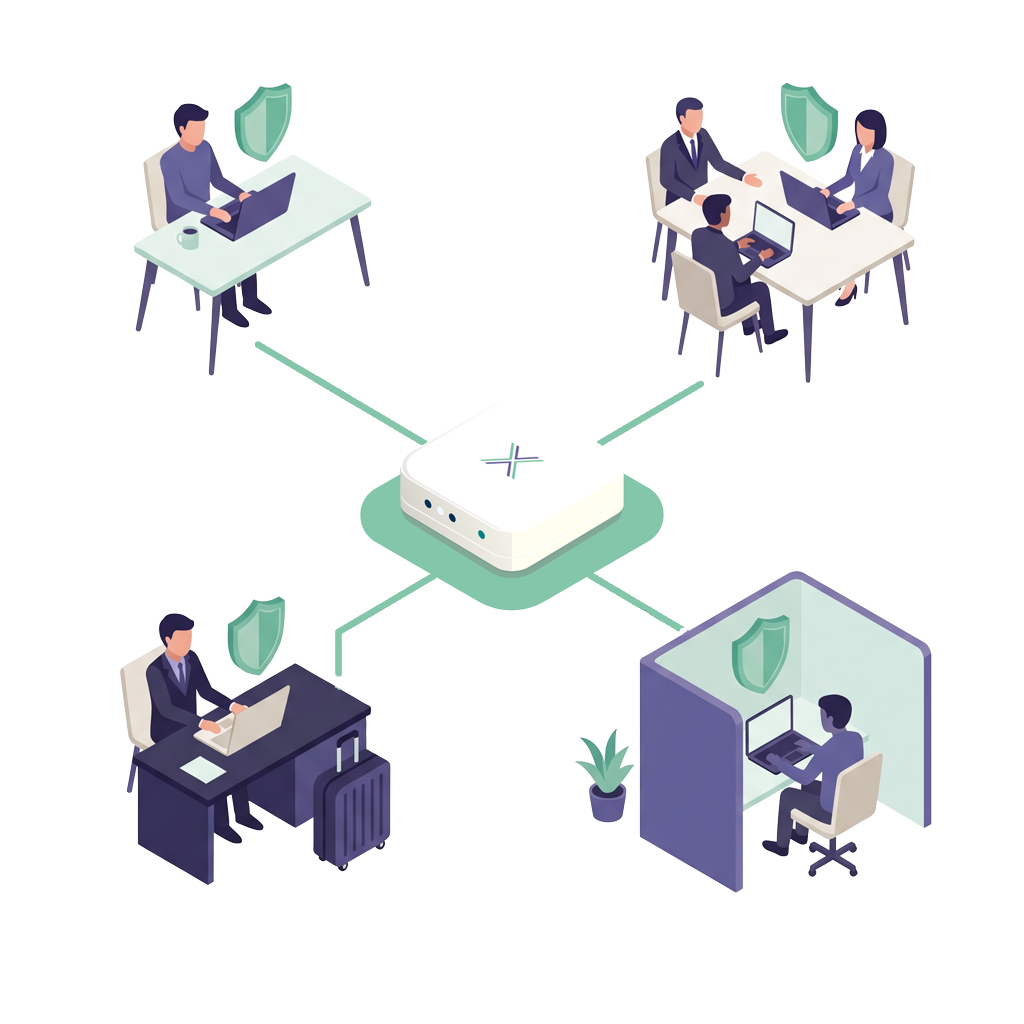
Loxada closes it. Replacing unmanaged off-the-shelf routers with centrally managed secure devices gives your clients a controlled connection and gives you one less category of problem you cannot diagnose.

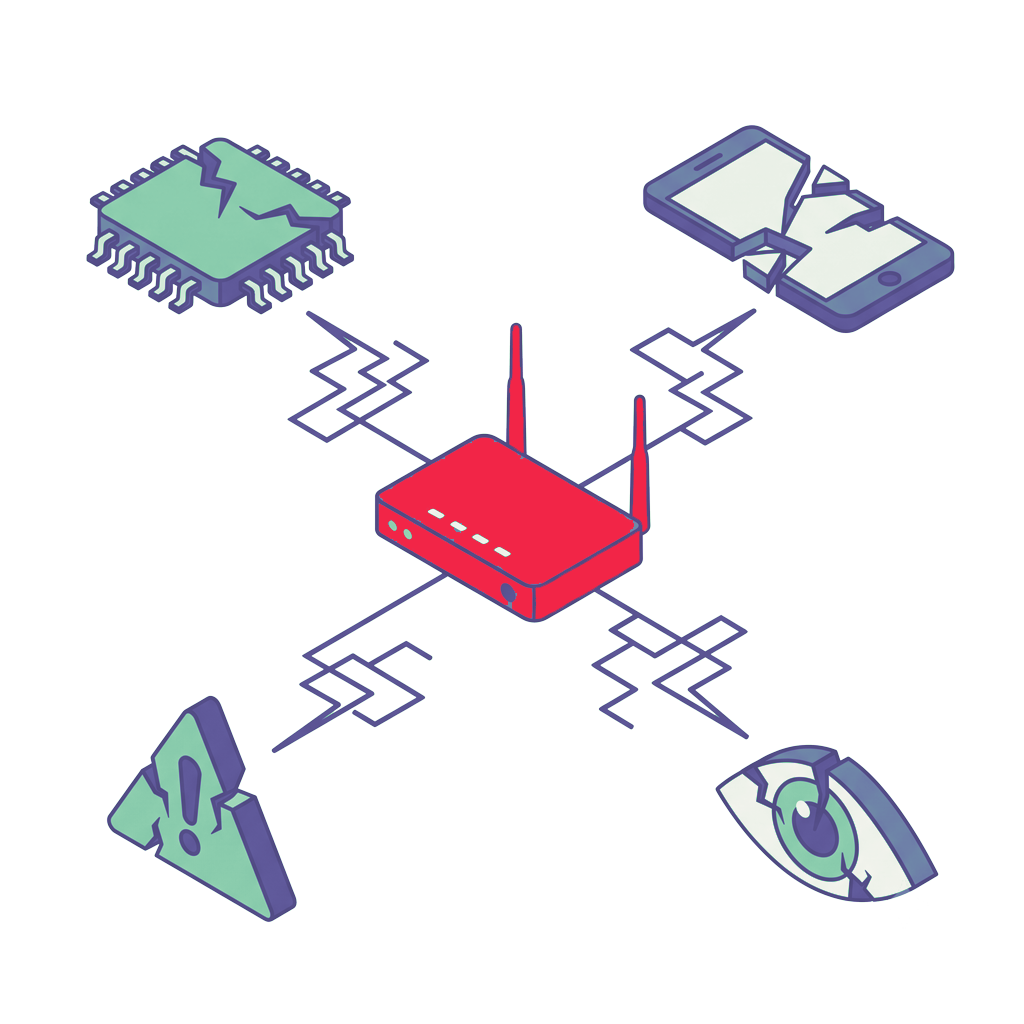
When users connect through personal or third-party routers, you are working blind. You cannot manage firmware, see configuration, or confirm that any control is actually in place.
The recurring weaknesses:
Outdated firmware, sometimes years past its last update.
Inconsistent patching across a mix of hardware and vendors.
No network separation, so work devices sit alongside everything else.
Factory reset, quietly removing whatever hardening existed.
No audit trail, which is a problem when a client asks you to evidence controls.
Unverifiable firmware provenance, raising supply chain questions you cannot answer.
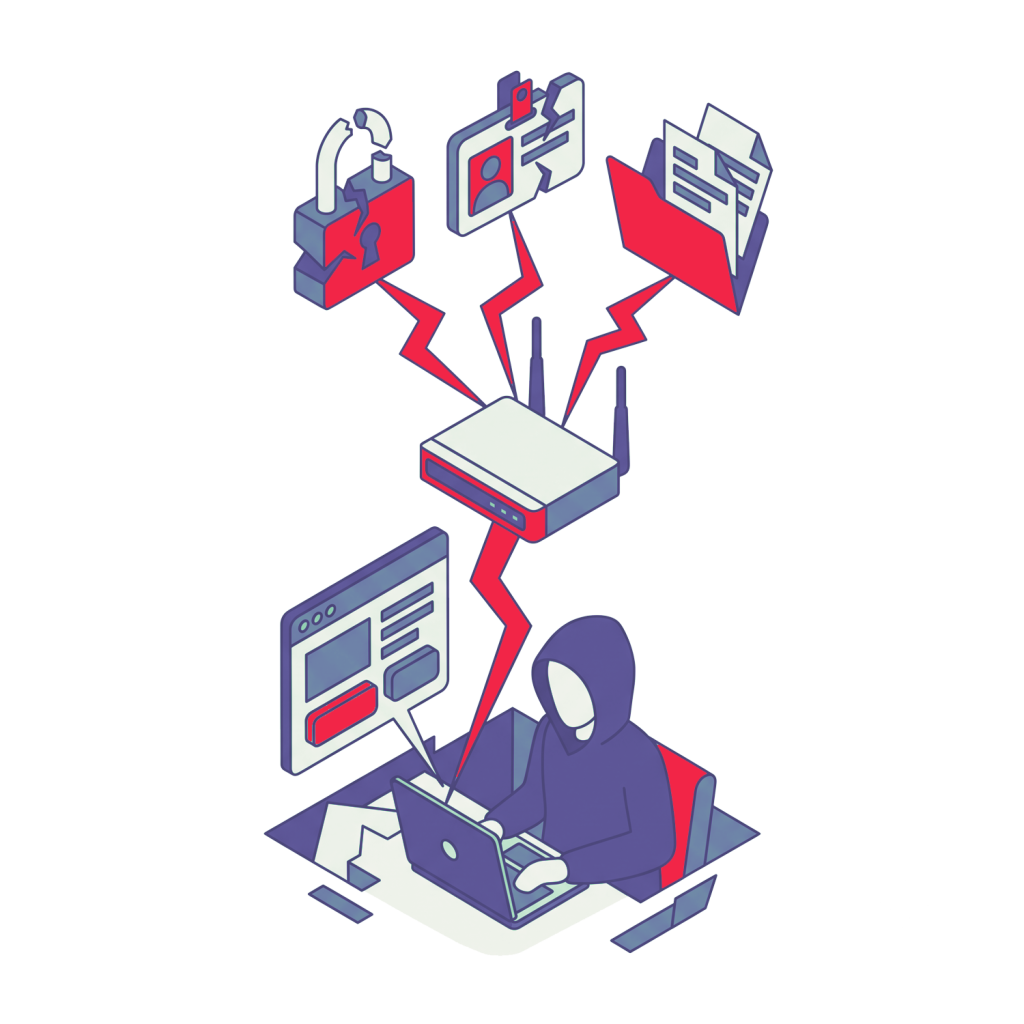
Endpoint protection and encrypted-connectivity clients both help. Neither prevents an attacker already on the local network, or in control of the router itself, from interfering with traffic before the secure session is established.
This has moved from a niche argument to something clients are starting to ask about unprompted.
Exploitation of edge-device and VPN vulnerabilities rose from 3% to 22% of vulnerability-related breaches in a single year, according to the Verizon 2025 Data Breach Investigations Report.
As corporate perimeters have hardened, attackers have moved to the layer nobody manages, and automation has made it cheap to find at scale.
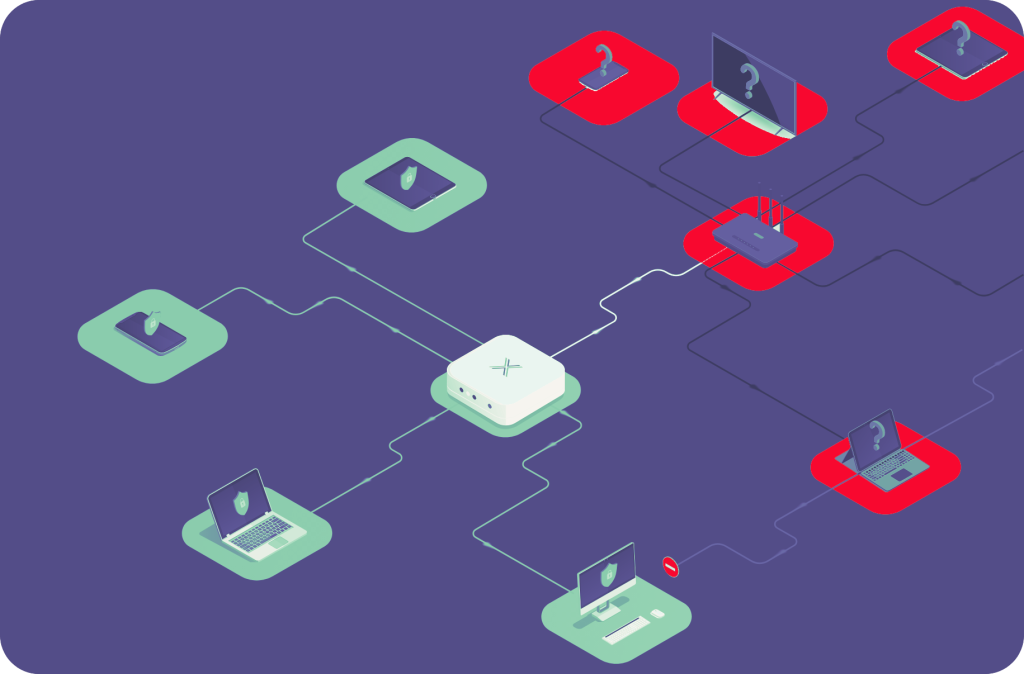
Loxada replaces the unmanaged router with a Loxada secure router, routing traffic through Loxada’s secure connectivity layer, an encrypted connection from the device out to the internet.
Each device:
You keep the client relationship and the support model. We provide the layer underneath it.
Fewer tickets caused user router misconfiguration and unexplained performance problems.
Faster diagnosis, because the connection layer stops being a variable.
A better compliance answer for clients in regulated sectors.
Consistent experience across home, hybrid and mobile setups.
Evidence you can hand over, with deployment coverage, connected state and firmware version.
No lock-in, working alongside your existing endpoint and RMM tooling.
Deployment is fully auditable, with monthly security reports and device-status visibility. That is deployment coverage and configuration assurance, not monitoring or detection, so it complements your existing tooling rather than competing with it.
Your clients are being asked harder questions than they used to be, and remote access is one of the areas where their answers are weakest.
For most of these, the client does not need a policy. They need a control they can point to. That is a straightforward thing for you to supply.
A Note on Your Own Position
Where you support clients in regulated sectors, you are increasingly being handed contractual security obligations of your own, covering how you work, how your staff connect and what you can evidence.
Loxada is useful on both sides of that. Deployed to your clients it answers their question. Deployed to your own engineers, who routinely support client systems from home, it answers yours.