Stylised illustration of a Loxada device
Securing Connectivity for Insurance Brokers

Insurance Brokers

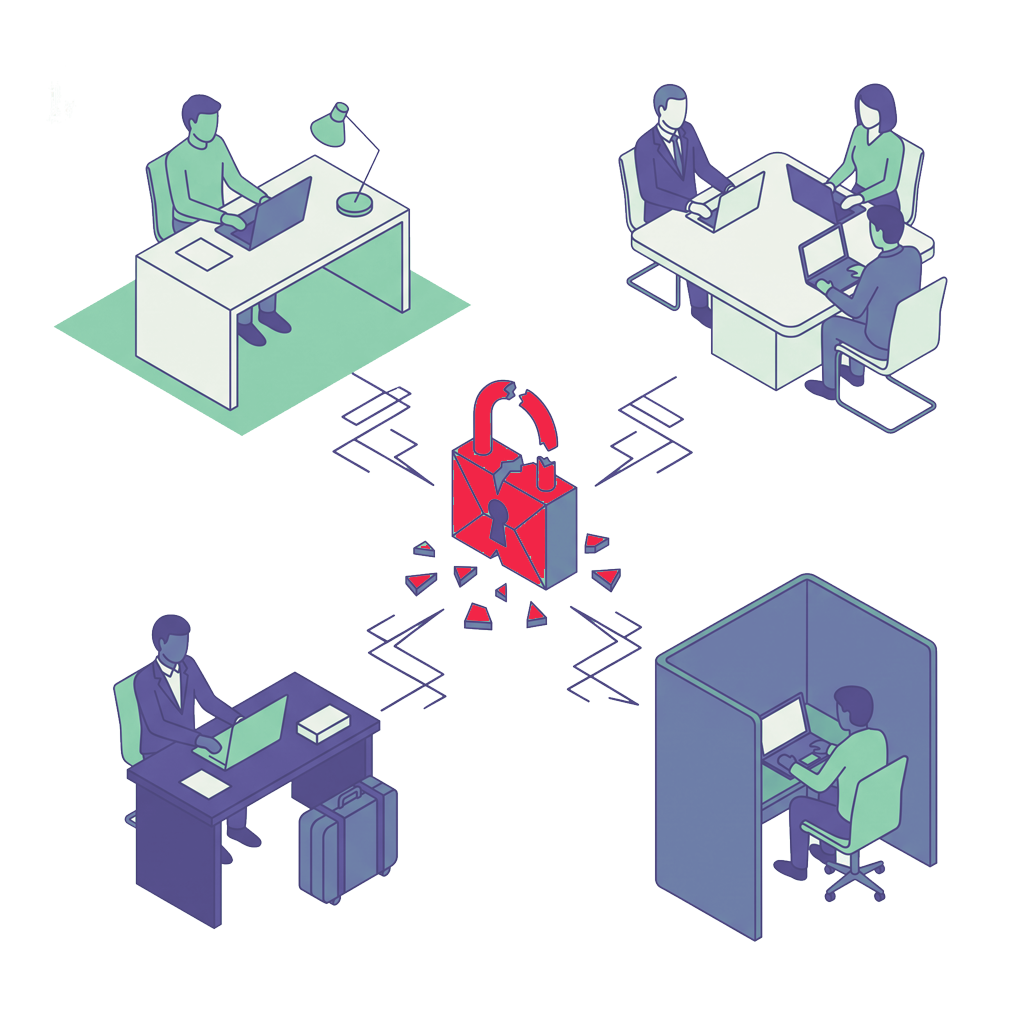
Brokers hold a lot of other people’s information: financial records, policy details, personal identifiers, claims histories. Much of it is now handled from regional offices, home desks, client sites and hotels rather than from one controlled building.

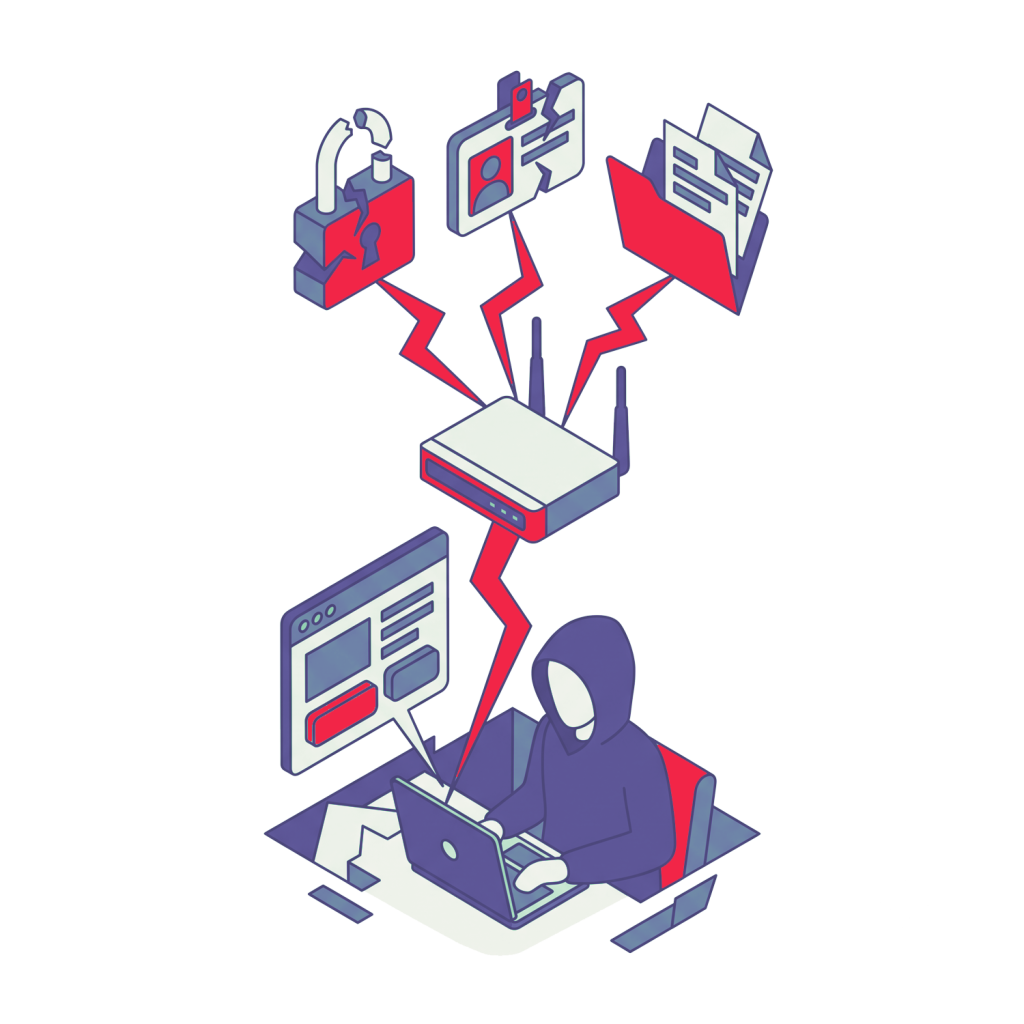
The protection around that data is usually good at the application layer and thin at the point of connection. That gap is the uncontrolled network edge, and it is where Loxada works.

The Challenge at the Uncontrolled Network Edge

Brokerages tend to be distributed by nature: regional offices, appointed representatives, franchised or networked models, and a lot of flexible working. Staff connect from home, hotels and serviced offices, across networks that were never built with business data in mind.

The recurring problems:

  • Off-the-shelf routers never intended for business use.
  • Firmware that is not updated, often for years.
  • Shared connections, with no separation between personal and business devices.
  • No visibility or control for your IT or compliance function.


These setups rarely appear in a security policy, yet they carry a substantial share of the firm’s daily work.

They are also increasingly targeted. Within breaches that involved exploiting a vulnerability, the proportion targeting edge devices and VPNs rose from 3% to 22% year on year, an almost eightfold increase, according to the Verizon 2025 Data Breach Investigations Report.

Why It Matters Now

Client data protection is not discretionary, and expectations are rising.

Under UK GDPR, firms must apply appropriate technical and organisational measures to protect personal data, and the Information Commissioner’s Office has been consistent that this extends to the systems and infrastructure involved, not only to files and databases.

For FCA-regulated firms, the expectation is that controls remain robust when staff work outside the office, and that access to systems and data can be shown to be properly secured wherever it happens.

Encrypted-connectivity clients and secure applications matter, and they do not answer the question of what happens if the router itself is already compromised. Loxada addresses that layer directly.
How Loxada Supports Brokers

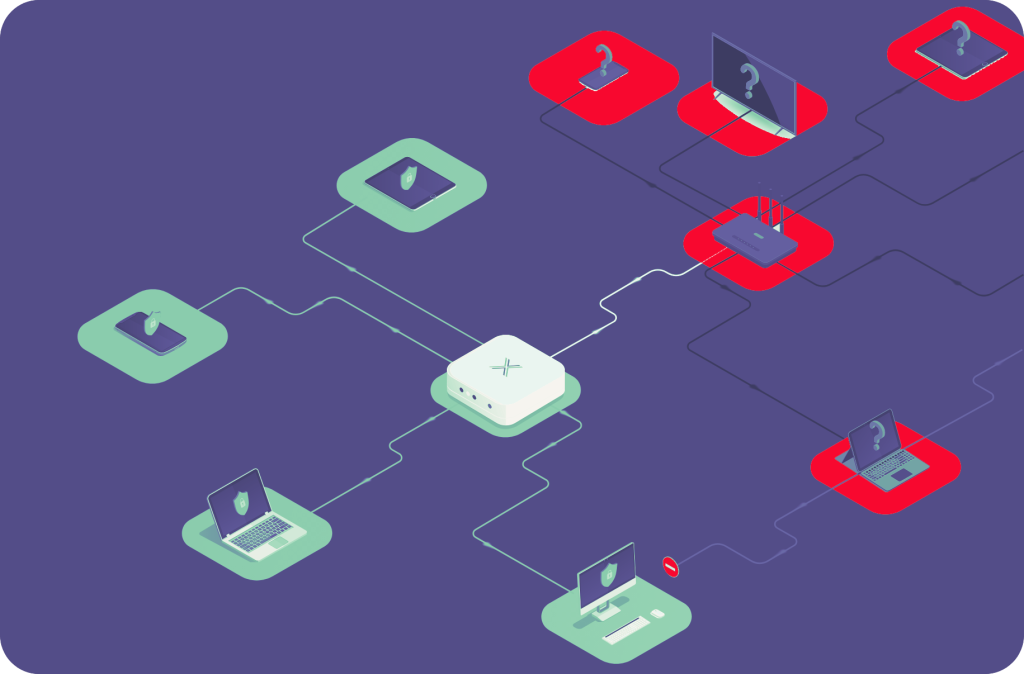
Loxada replaces the unmanaged device with a Loxada secure router, pre-configured, centrally managed, and routing traffic through Loxada’s secure connectivity layer, an encrypted connection from the device out to the internet. There is nothing to install and no user configuration.

Each device:

  • Runs Loxada’s secure firmware in place of the manufacturer’s
  • Creates a separate work network, physically separate from other devices on the local connection
  • Blocks known malicious domains, dropping requests to domains on Loxada’s aggregated blocklist before they resolve
  • Updates automatically using Loxada’s secure firmware
  • Returns to a secure state after a factory reset, and cannot be rolled back to a superseded build


Deployment is fully auditable, with monthly security reports and device-status visibility.

Stylised illustration of a Loxada device

Real-World Scenarios We Support

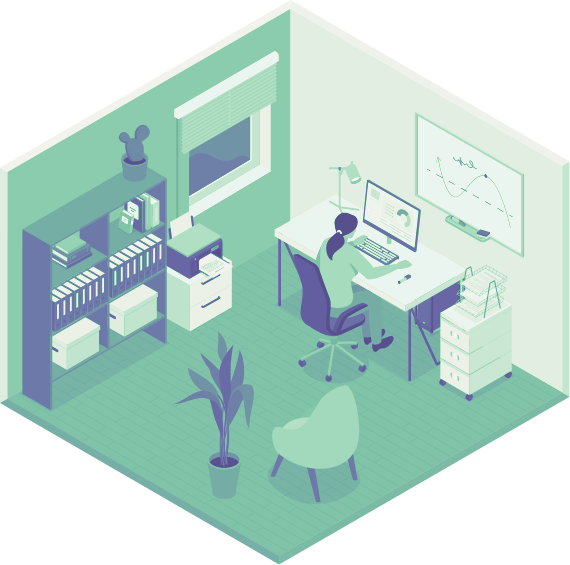
  • Brokers and account handlers working from home
  • Client-facing staff moving between locations
  • Small teams and advisers in serviced offices
  • Temporary or part-time staff needing secure access quickly
  • Firms running multiple locations with limited central IT

Why Insurance Brokers Choose Loxada

  • Supports UK GDPR and FCA expectations by bringing remote access points under control
  • Reduces risk introduced by third-party and domestic networks
  • Needs no user training or local IT configuration
  • Scales easily across regions, teams and appointed representatives
  • Gives clients and insurers evidence, not assurances


Loxada strengthens one layer, the networks outside your control that your people connect from, and complements the identity, endpoint and connectivity tools around it rather than replacing them.

Talk to us about securing your firm's connections, and about what that means for the advice you give clients.