Stylised illustration of a Loxada device
Secure Data Access for the Defence Industry

Defence

Defence suppliers work to standards most sectors never encounter. Classified programmes, export-controlled data, critical infrastructure contracts, and client audits that go considerably further than a questionnaire. Those standards do not stop at the perimeter of your main facility.

An engineer reviewing secure documentation from home. A technician working on a customer site. A subcontractor connecting into a shared programme from a flat with ordinary broadband.

Each of those connections runs across a network your organisation does not command. That is the uncontrolled network edge, and in defence work it is one of the more consequential gaps in an otherwise well-defended estate.

Loxada gives you a managed, verifiable network edge in environments where supply chain trust and firmware provenance cannot be left to assumption.

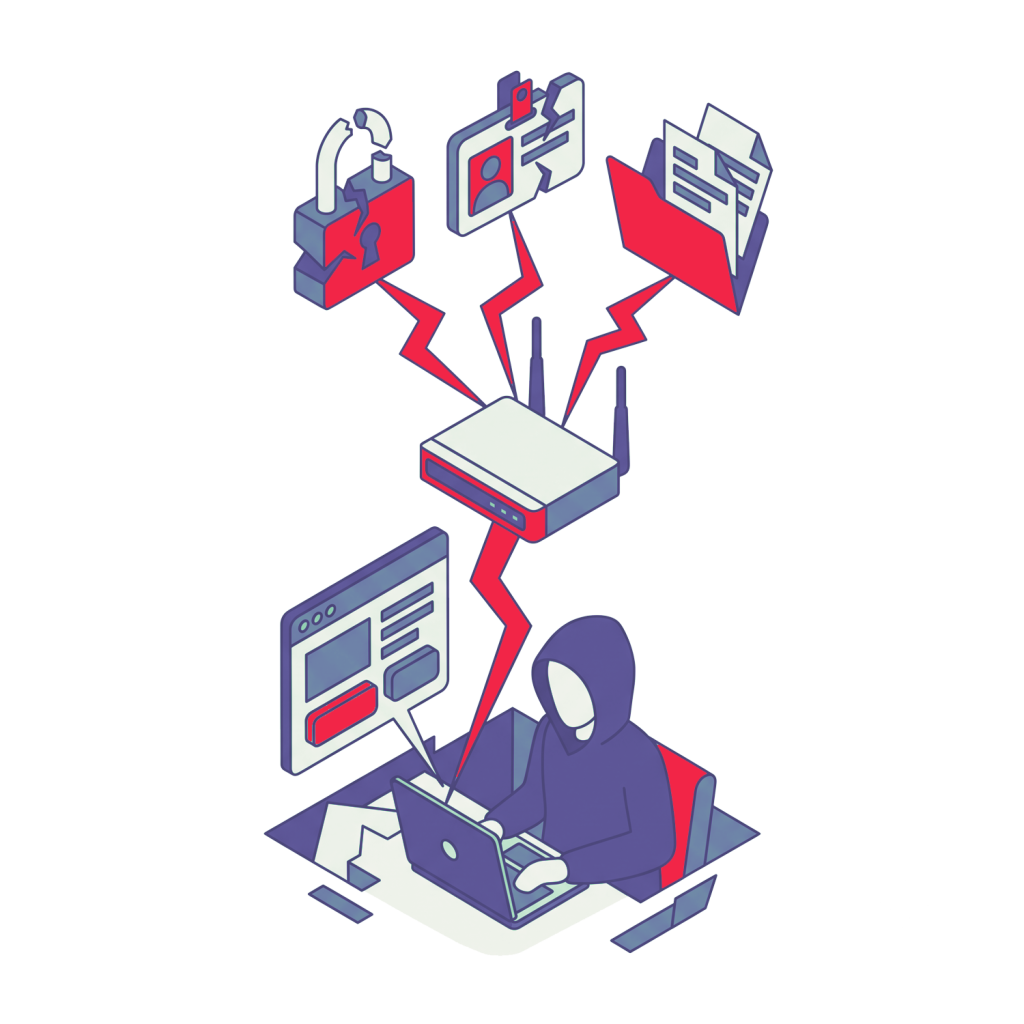
The Evolving Threat: Hacking as a Commodity

Defence suppliers aren’t just facing opportunistic hackers, they’re facing an ecosystem. Modern cybercrime operates as a service, with Hacking-as-a-Service (HaaS) platforms and AI-enabled tooling making it easier than ever for attackers to scale up.

What used to require deep expertise can now be executed by anyone with a wallet and intent. This shift means:

  • Attackers can buy or rent compromised infrastructure to observe your data flows
  • Automated scripts can scan the internet for vulnerable firmware signatures
  • Fake networks can intercept VPN credentials or redirect DNS queries
  • Even basic routers at staff homes can become an unmonitored access point

For defence suppliers, this makes the uncontrolled network edge not just a technical risk, but a strategic one. Your firewall is no longer the front line. The connection from a laptop in a shared office or from a subcontractor’s flat can be where the breach starts.

Why Network Integrity Matters Here

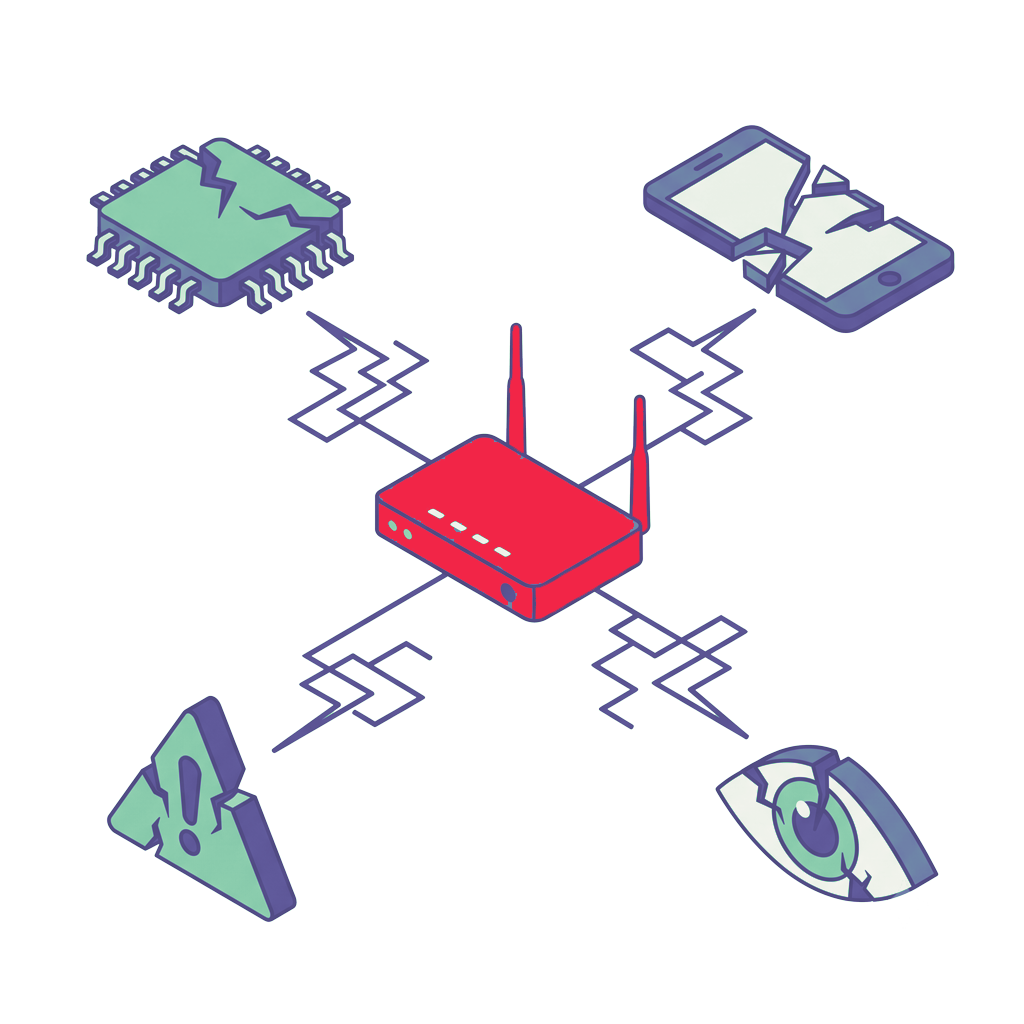
Off-the-shelf routers and access points are not built to the standards defence work demands, yet they remain common in home offices, partner sites and temporary facilities.

Those devices routinely:

  • Run **undocumented services that were never part of any threat model you wrote
  • Depend on third-party firmware libraries that may never be reviewed or updated
  • Revert to insecure defaults after a factory reset
  • Accept updates that themselves carry known vulnerabilities

For a supplier working on sensitive or restricted programmes, that is not an abstract concern. It can surface in a client audit, complicate an export-control position, or provide precisely the foothold a capable adversary is looking for.

This is well documented. The NSA, NCSC and CISA have all published guidance on hardening the network edge, and their consistent message is that routers and similar devices have become primary entry points for sophisticated adversaries, and that the risk extends well beyond the corporate firewall.

The trend is measurable too. Exploitation of edge-device and VPN vulnerabilities rose from 3% to 22% of vulnerability-related breaches in a single year, according to the Verizon 2025 Data Breach Investigations Report. As perimeters harden, attention moves to the parts of the estate nobody is managing.


A Known-Good Network Edge

Loxada replaces the unmanaged device at the point of connection with a **Loxada secure router**, running **Loxada’s secure firmware** in place of the manufacturer’s build. Traffic is routed through Loxada’s secure connectivity layer, an encrypted connection from the device out to the internet, so the local network is no longer part of your trust model.

Each device provides:

Loxada’s secure firmware updates, delivered centrally over secure channels.

Rollback protection, so a device cannot be returned to a superseded, vulnerable build.

Network separation, isolating work devices from everything else on the local connection.

Blocking of known malicious domains, dropping requests to domains on Loxada’s aggregated blocklist before they resolve.

Return to a secure state after a factory reset or relocation.

No local configuration, with central management and central revocation.

Replacing the manufacturer’s firmware matters for a specific reason in this sector: it means the security of the device no longer depends on a vendor’s code, update practices or disclosure behaviour, on hardware you did not specify and cannot audit.

Stylised illustration of a Loxada device

Flexible Deployment for Critical Teams

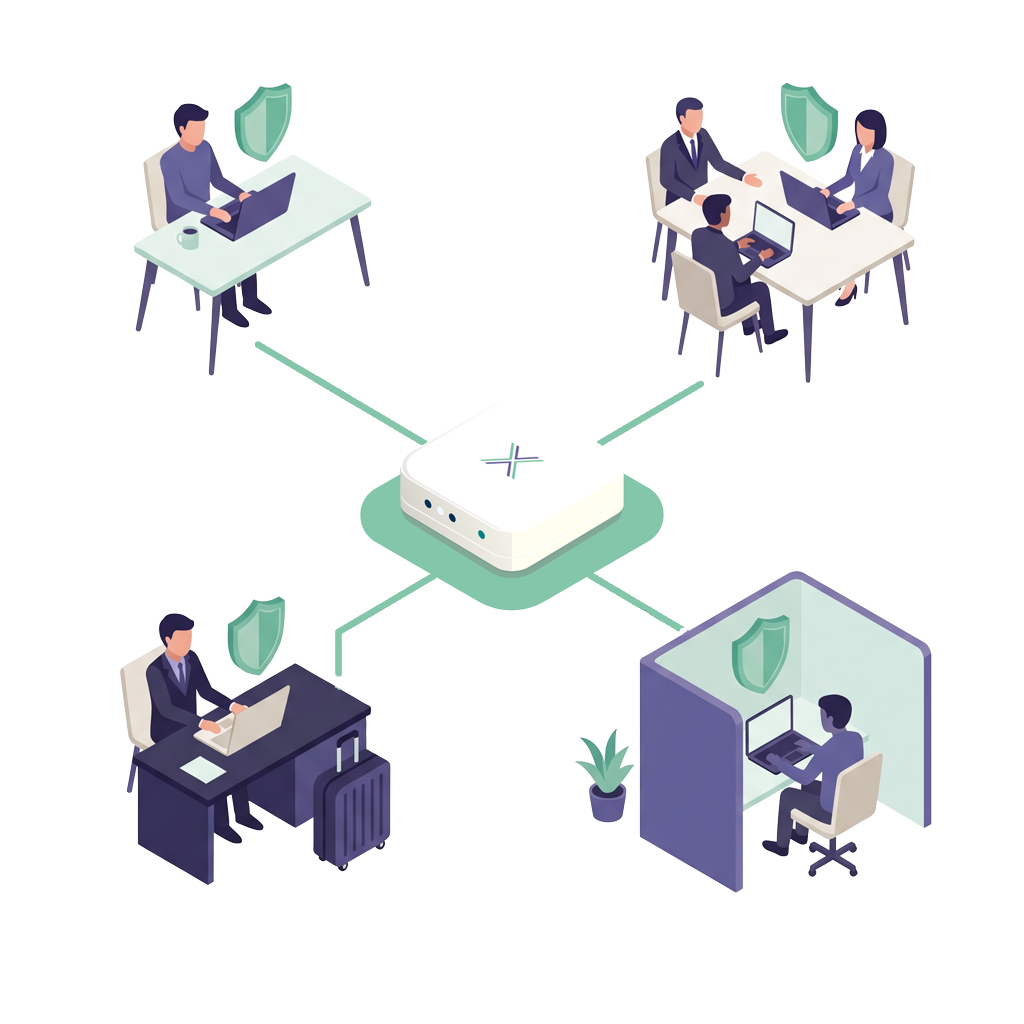
Loxada is designed to go wherever the work does:

Home environments for senior staff and engineers, compliance officers and programme leads.

Customer and partner sites where the infrastructure is shared or third-party controlled.

Pop-up labs and satellite offices with short-term IT support.

Subcontractors needing controlled access into shared systems without broader infrastructure access.

Deployment is fully auditable, with monthly security reports and device-status visibility, so you can evidence which devices are deployed, connected and on current firmware. Access is revoked centrally when a person or a contract ends.

Why Defence Suppliers Choose Loxada

Secures access across distributed teams, partner sites and temporary facilities.

Reduces risk at the uncontrolled network edge, where organisational control is weakest.

Supports supply chain security expectations, including NCSC supply chain guidance and MOD contractual cyber requirements.

Aligns with NCSC and ENISA recommendations on firmware integrity, edge device protection and secure remote access.

Deploys quickly, with no specialist hardware or user configuration.

Loxada addresses one layer, the network people connect from. It is a preventive control providing deployment coverage and configuration assurance, not monitoring, detection or containment, and it is built to sit alongside your existing identity, endpoint and accreditation regime rather than replace any of it.

Talk to us about extending a verifiable network edge to the environments outside your facilities.