Accountants and financial professionals handle highly confidential data: tax records, payroll, client reports and forecasts. That data needs protection not just in storage or transit, but wherever it is accessed.
This introduces a frequently overlooked risk: the uncontrolled network edge.
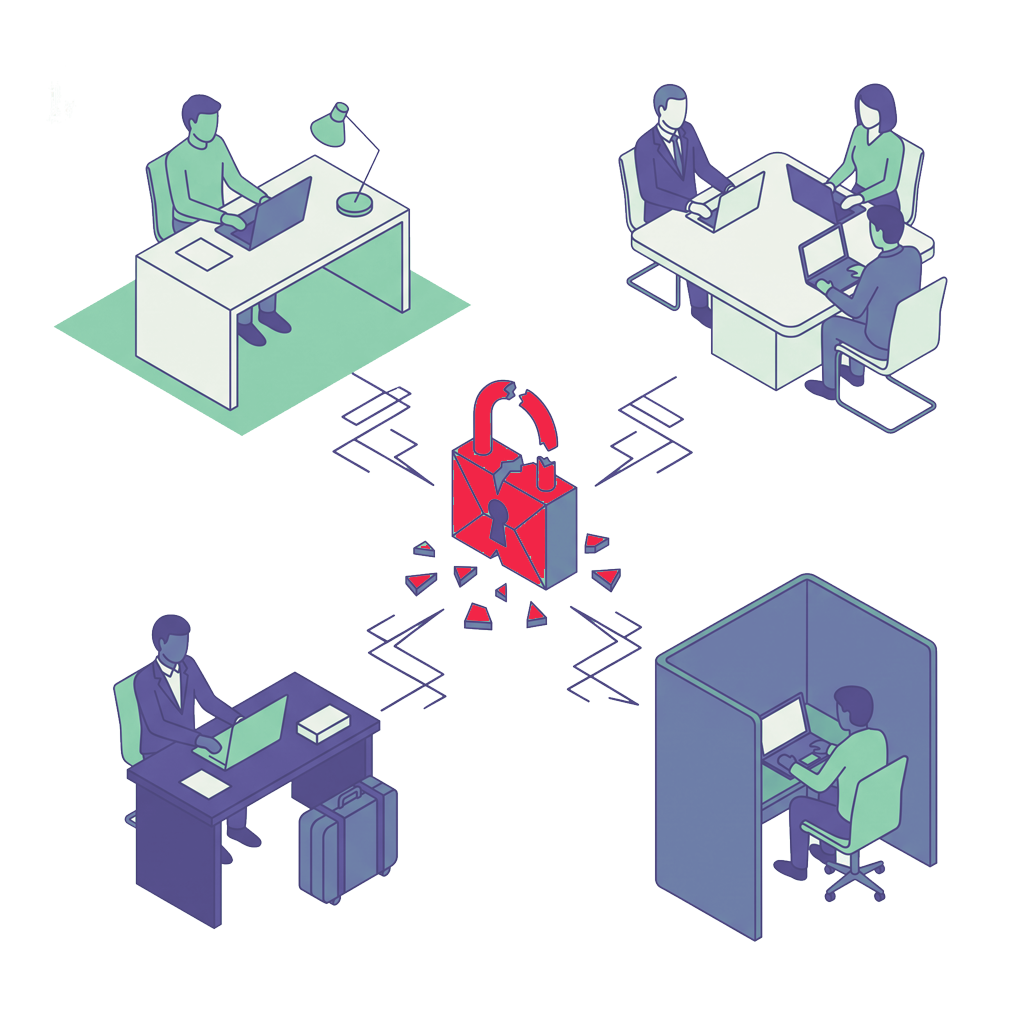
Staff often connect from home, while travelling, or at client sites, usually on networks your IT team does not manage. These networks may be off-the-shelf, unpatched, or shared with insecure devices. Cloud-based and encrypted systems are now standard, but the network the user is sitting on remains an entry point.
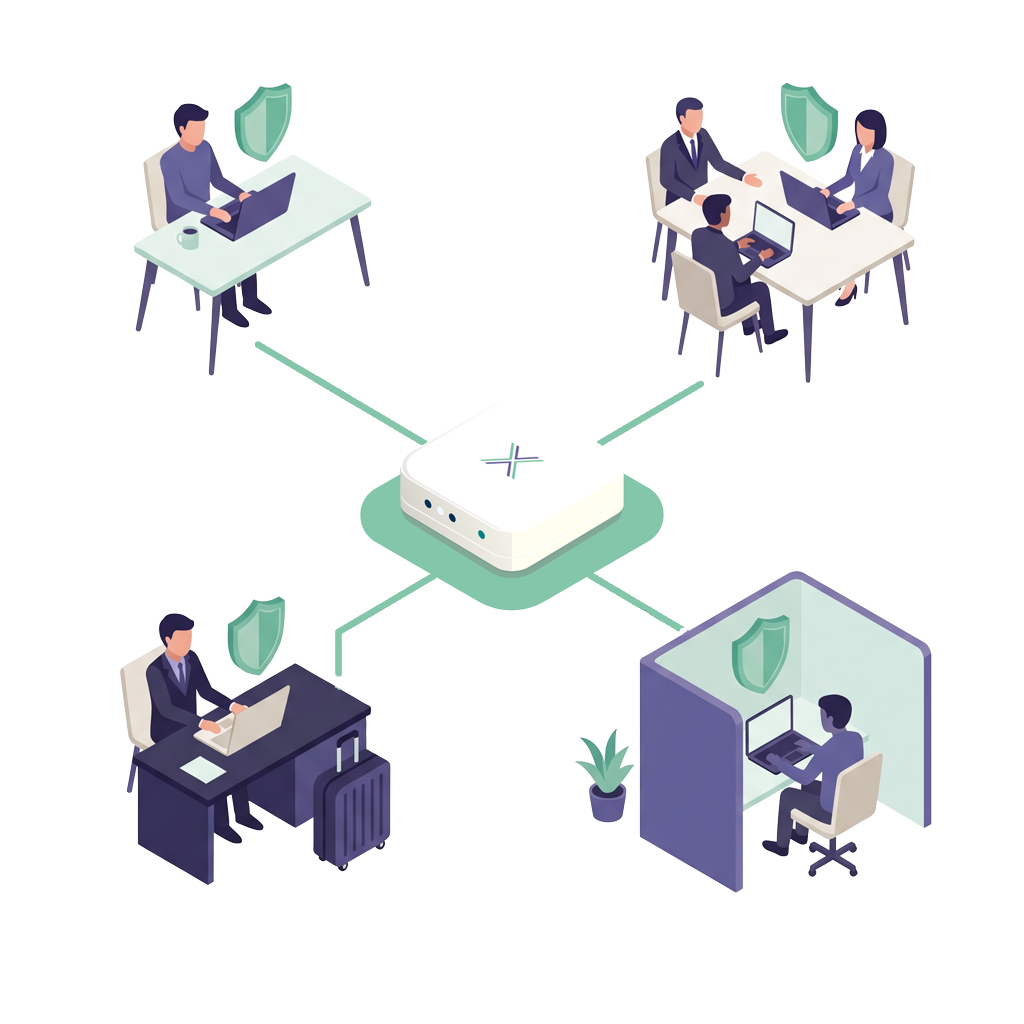
Loxada helps close that gap, providing a secure, centrally managed connection wherever your team is working.

Modern accountancy is mobile. It’s common for staff to:
Each of these carries risk that is easy to miss. The networks used to reach sensitive data are typically outside your control, and the usual protections do not address network-based threats in those environments.
Even the best cloud tools cannot compensate for a compromised router or an exposed local network.
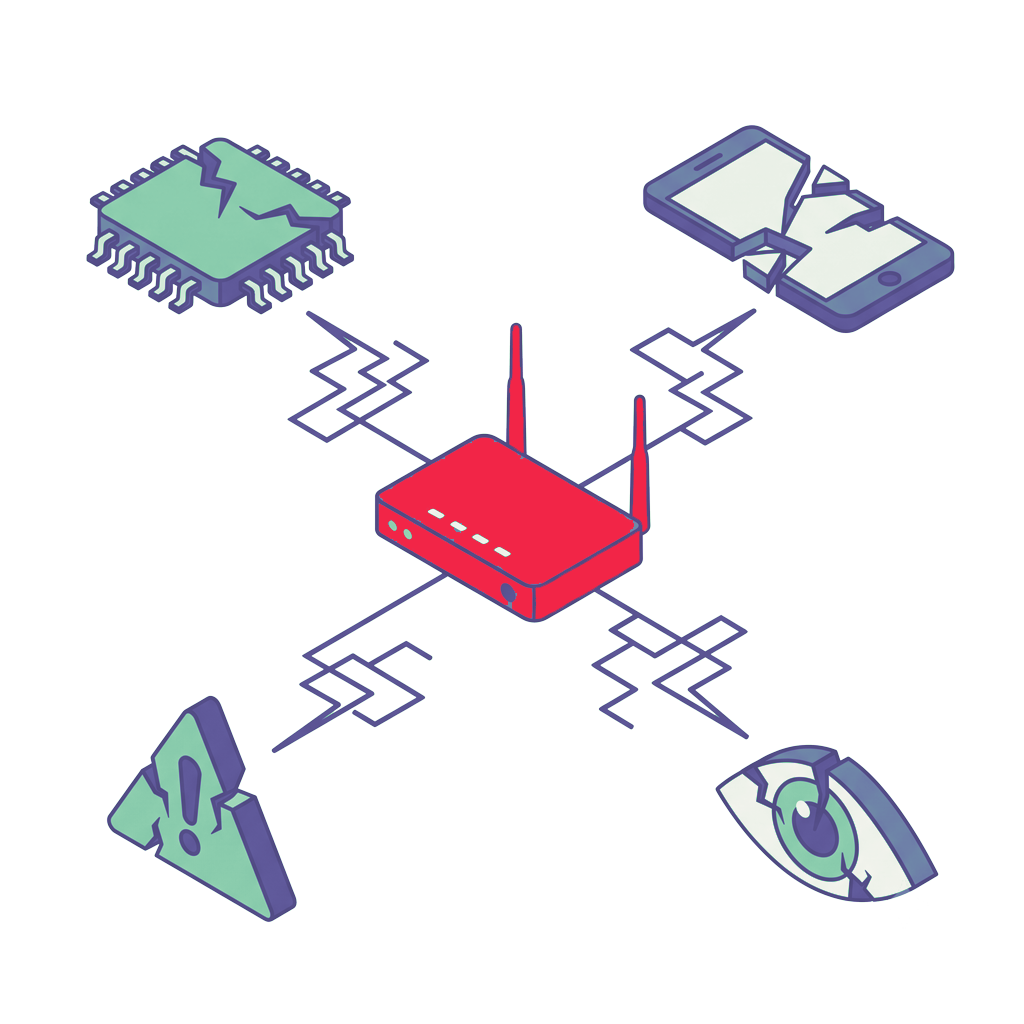
Off-the-shelf and third-party managed routers, the kind found in home offices and serviced spaces, share a familiar set of weaknesses:
Even when updated, many routers rely on third-party software libraries carrying known vulnerabilities, and those flaws are now targeted at scale.
UK and EU guidance, including the NCSC’s device security principles and ENISA’s work on firmware and supply chain risk, both point to the same conclusion: the edge needs better controls.
These weaknesses were once considered too niche and too fiddly to be worth an attacker’s time. That is no longer the case.
The clearest signal is in the numbers. Within breaches that involved exploiting a vulnerability, the proportion targeting edge devices and VPNs rose from 3% to 22% year on year, an almost eightfold increase, according to the Verizon 2025 Data Breach Investigations Report. As the corporate perimeter gets harder to breach, attackers turn to the part of the estate nobody is managing.
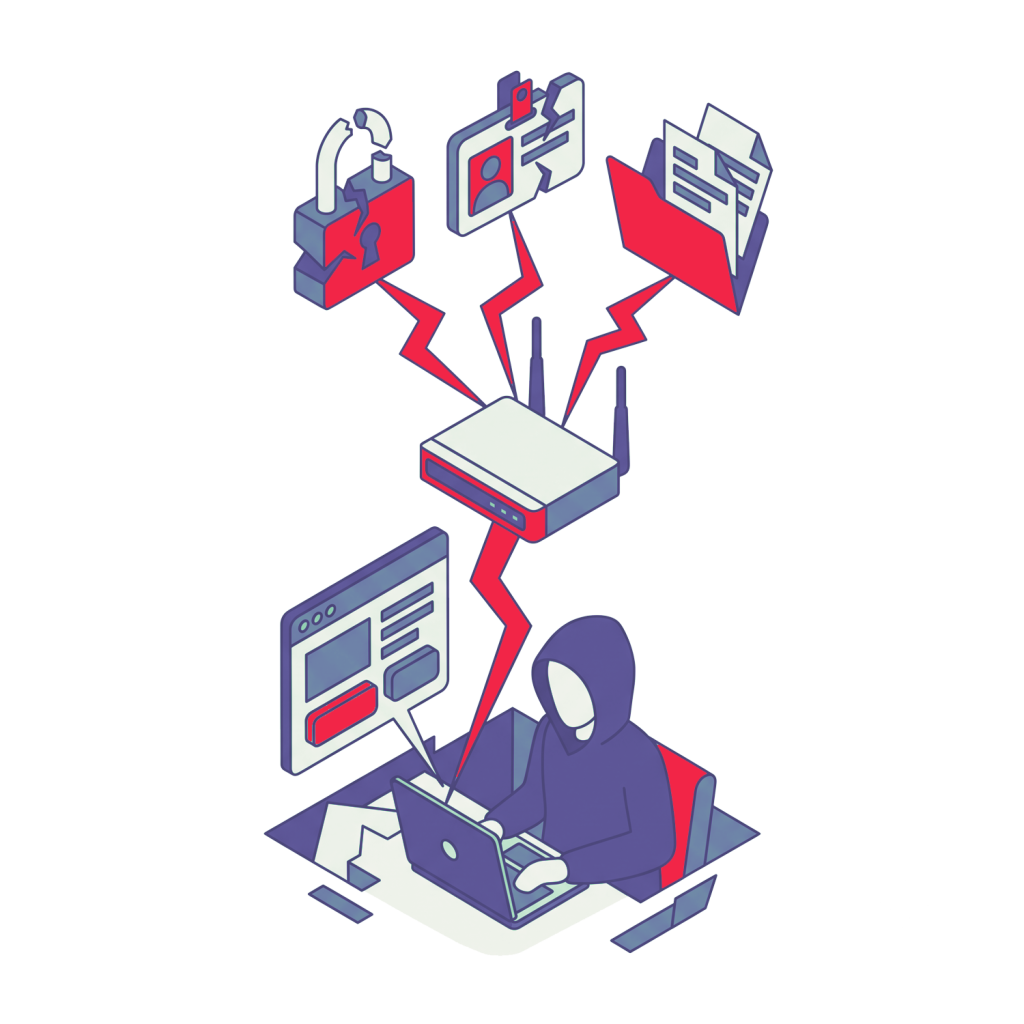
Automation is what changed the economics. Scanning for exposed routers is cheap, tooling that once required real expertise is now packaged and resold, and the number of people running these attacks has grown accordingly. The chance of any single home network being targeted remains small. The number of home networks it happens to is not.
For an accountancy firm, the consequences are concrete: loss of client trust, regulatory exposure and reputational damage that outlasts the incident.
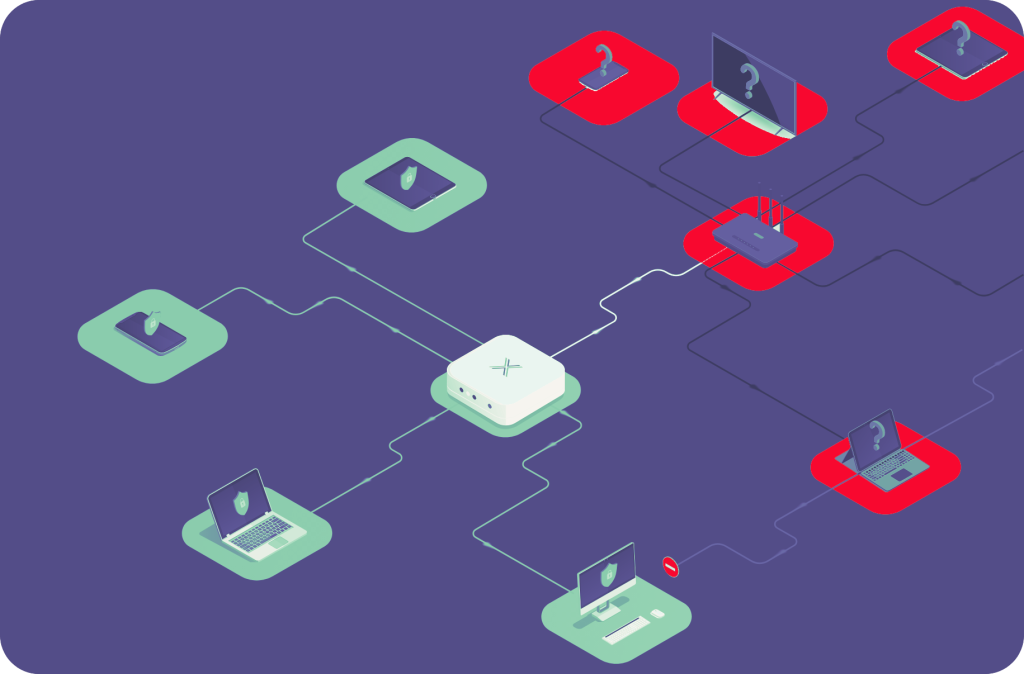
Loxada replaces the unmanaged router at the point of connection with a pre-configured Loxada secure router, and routes traffic through Loxada’s secure connectivity layer, an encrypted connection from the device out to the internet, so your people are not depending on the local network being sound.
Each Loxada secure router:
No technical expertise is required. The device is plugged in and it works.
Loxada sits alongside the tools you already use:
It suits:
Devices are assigned to staff, teams or contractors, with central oversight and the ability to revoke access immediately.
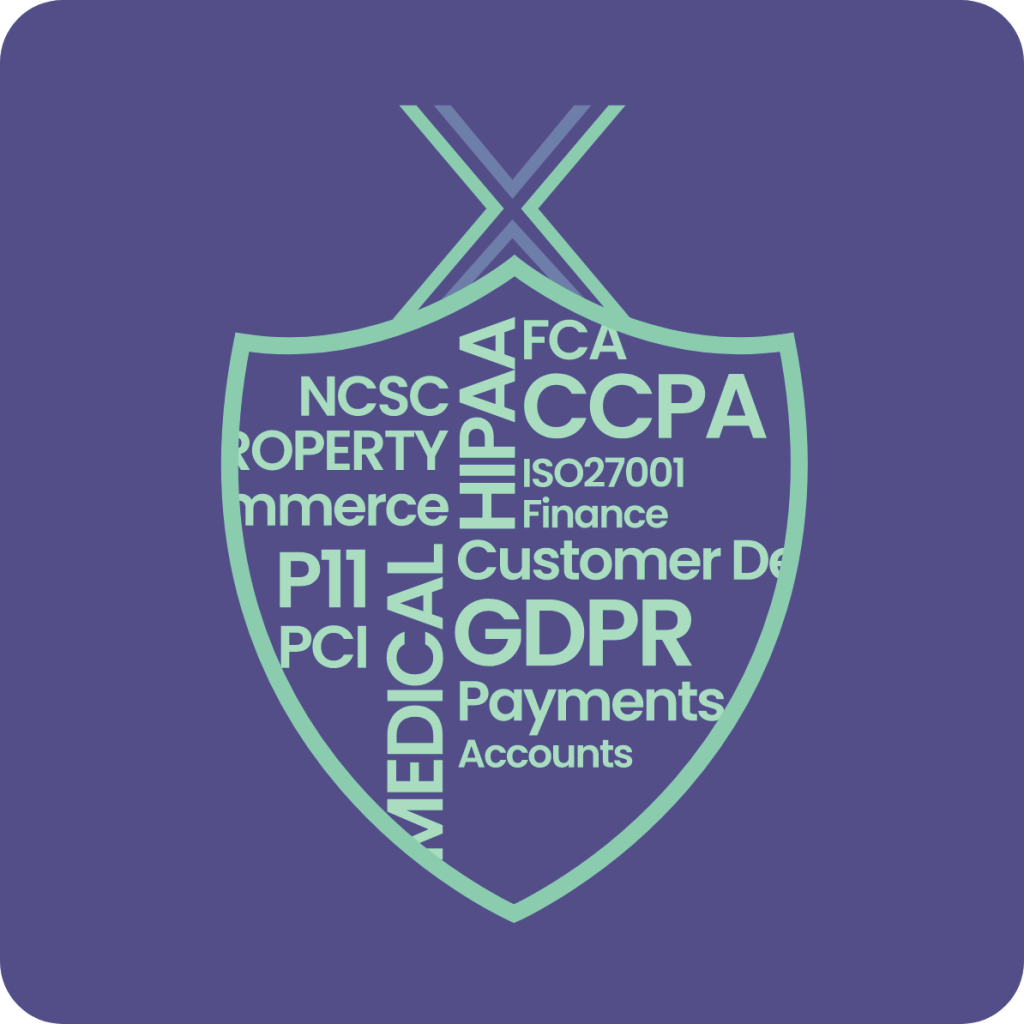
Firms are increasingly expected to show resilience across the whole data access journey, not only inside a managed office. Loxada supports that in the places it is usually weakest:
Loxada gives you a documented, consistent control at that layer. Deployment is fully auditable, with monthly security reports and device-status visibility.
Loxada secures a specific layer, the network your team connects from when it is outside your IT team’s control, and complements your existing endpoint, identity, and connectivity tools, as it is designed to sit alongside them.