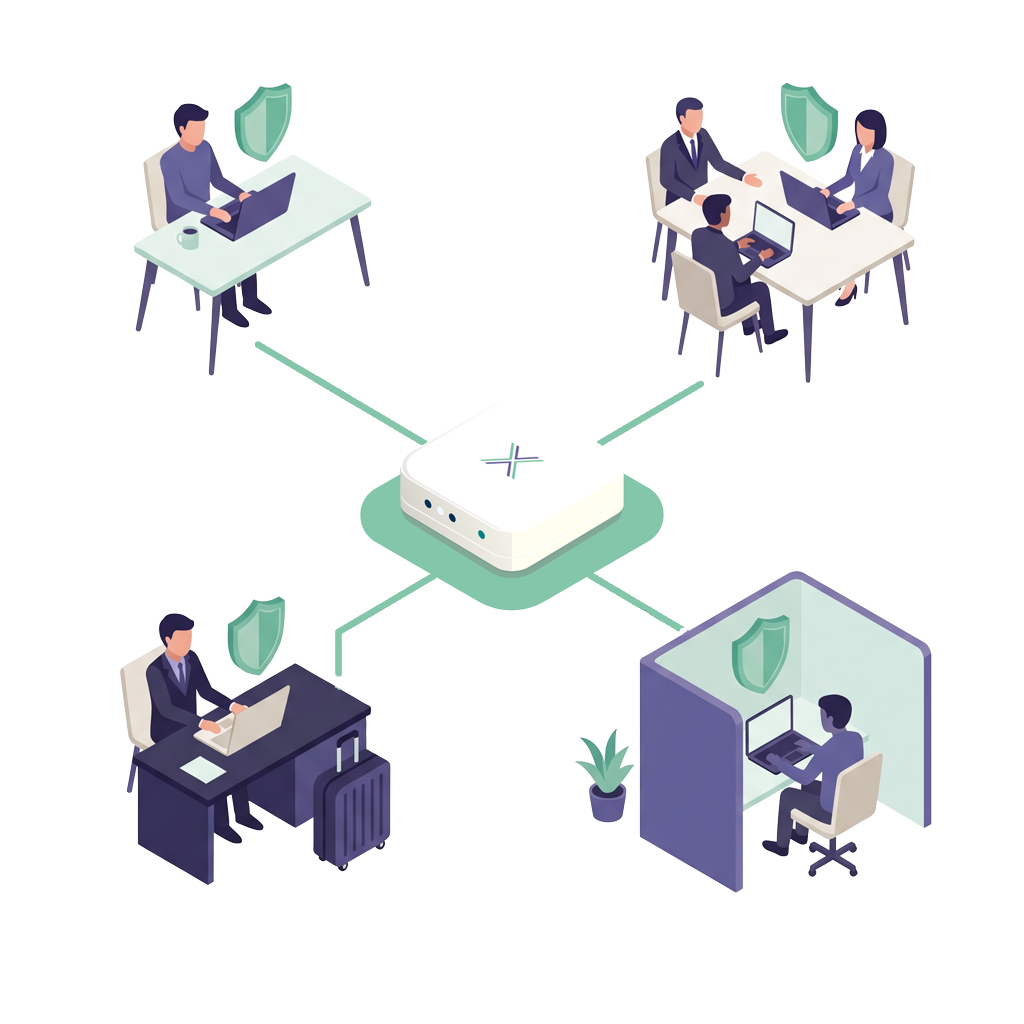
Client confidentiality does not pause when someone leaves the office. Reviewing contracts from home, drafting in a serviced office, joining a remote hearing from a hotel: the professional duty is identical, and the network is entirely different.
Those networks sit outside your IT team’s reach. That is the uncontrolled network edge, and for a profession built on confidentiality it is an uncomfortable gap.
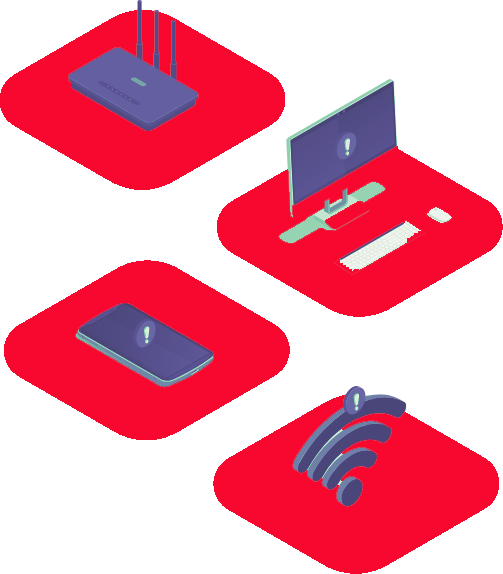
Solicitors, barristers and support staff working remotely are usually connecting through an off-the-shelf or third-party managed router. Those devices commonly:
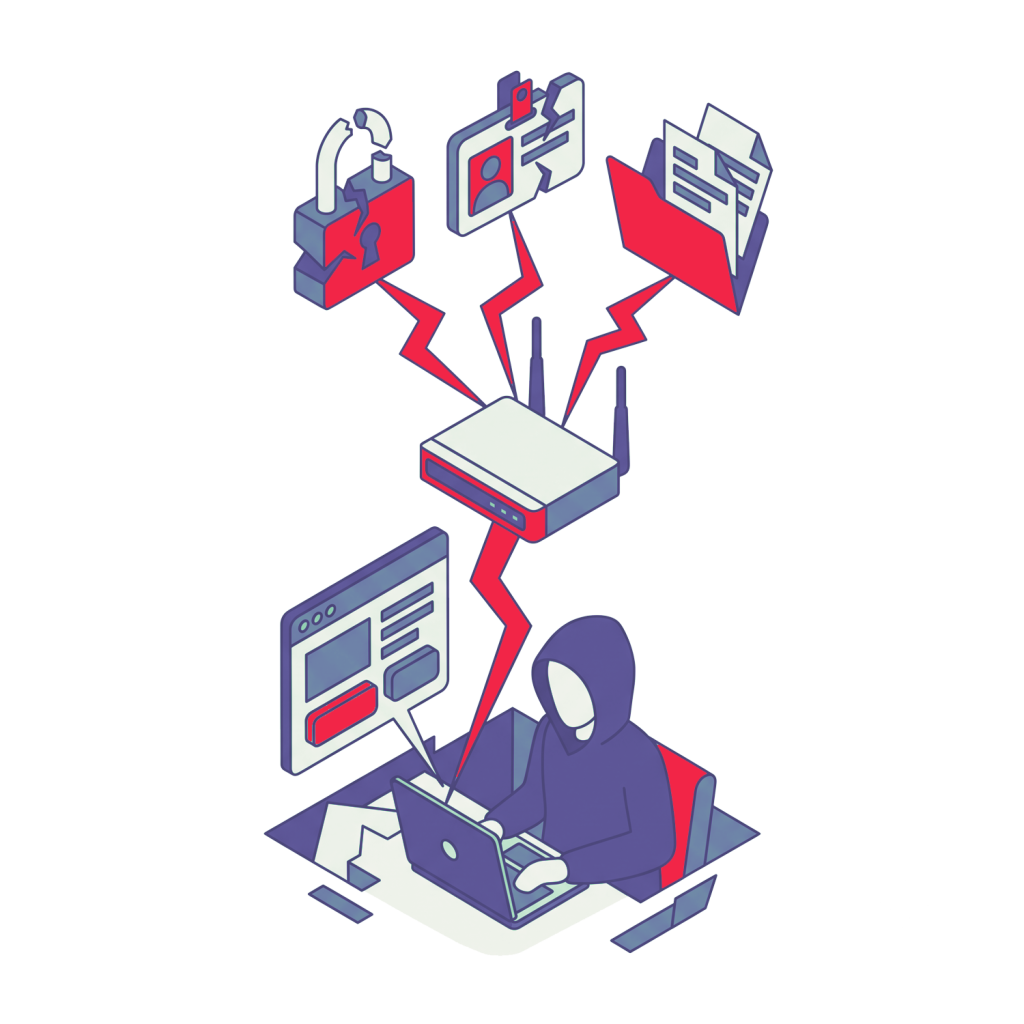
If that router is compromised, the security of your practice management system, document management system and cloud storage becomes largely beside the point, because traffic can be interfered with before the secure session is established.
The NCSC and ENISA have both identified edge devices, including home and small-office routers, as priority targets, and their guidance points consistently at firmware integrity, centralised updates and treating remote connections as part of the organisation’s risk surface.
The trend is measurable. Exploitation of edge-device and VPN vulnerabilities rose from 3% to 22% of vulnerability-related breaches in a single year, according to the Verizon 2025 Data Breach Investigations Report.

Under UK and EU GDPR, firms must apply appropriate technical and organisational measures to protect personal data. The Information Commissioner’s Office has been clear that remote working arrangements fall within that, including the local environment, the router and the Wi-Fi, not only where data is stored.
Separately, SRA expectations require firms to maintain effective risk controls and to protect client confidentiality, wherever work is carried out. Firms handling special category data, in family, employment, immigration or personal injury work, attract closer scrutiny again.
Leaving the connection layer unaddressed puts confidentiality, regulatory standing and professional indemnity position all in the same place.
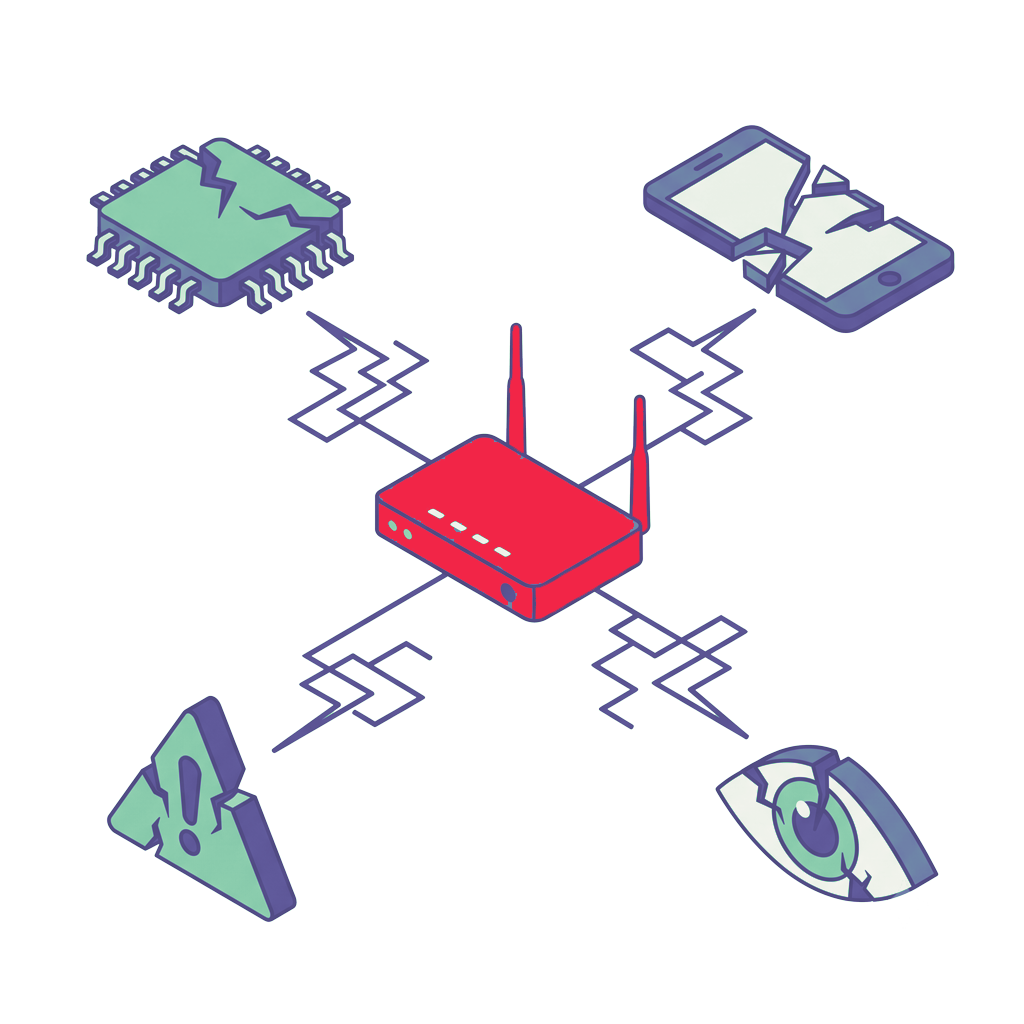
Cyberattacks no longer require expert hackers. With Hacking-as-a-Service (HaaS) marketplaces and AI-driven attack kits, even low-skilled actors can rent tools to exploit known vulnerabilities at scale. Common network-edge attacks now include:
Every practice area, from corporate M&A to family law, handles information that criminals can monetise or weaponise. The question is no longer whether you’re a target, but how you are protecting every path to your data.
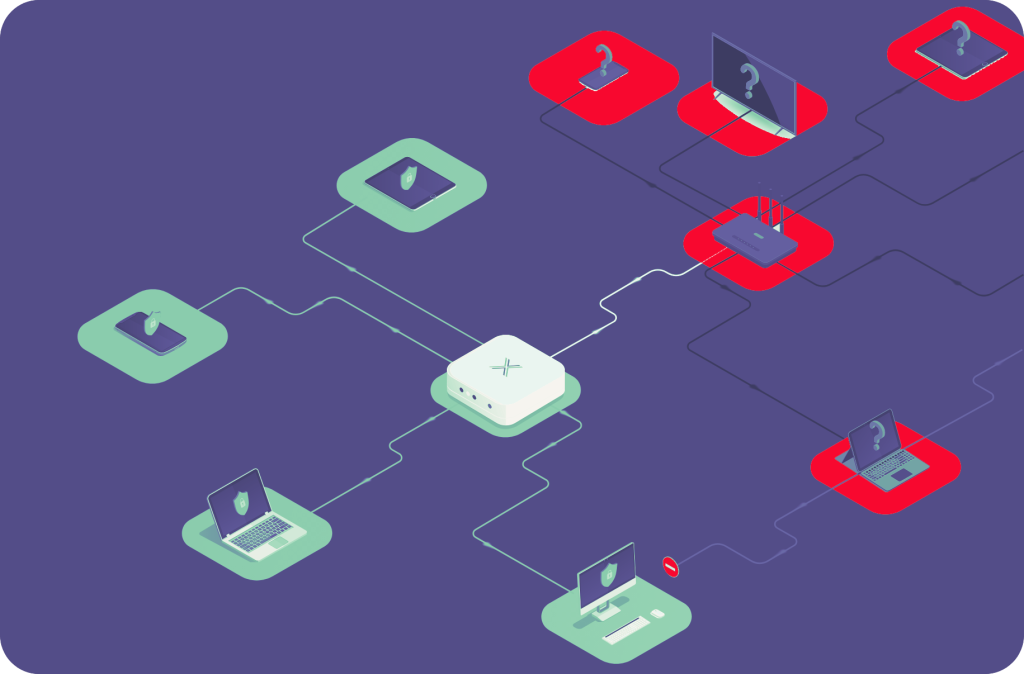
Loxada replaces the unmanaged router with a Loxada secure router, pre-configured and centrally managed, routing traffic through Loxada’s secure connectivity layer, an encrypted connection from the device out to the internet.
Each device:
No software to install, no user training, no site visit. It is plugged in and it works.
Deployment is fully auditable, with monthly security reports and device-status visibility.
Partners reviewing case files from home or whilst on holiday.
Associates drafting in client offices or coworking spaces.
Litigation teams travelling for hearings and disclosure reviews.
Support staff reaching the DMS from remote locations.
Multi-jurisdictional practices collaborating across locations.
It complements the tools you already run, practice management, secure email gateways, cloud storage and e-discovery platforms, without changing anyone’s workflow.
Loxada secures one layer, the networks outside your control that your people connect from, and complements the identity, endpoint and connectivity tooling around it rather than replacing any of it.